What is the size of our galaxy

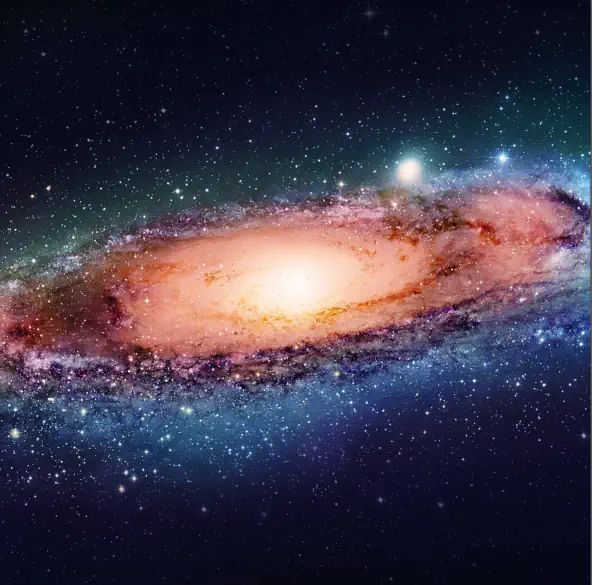
VI. Structure and Evolution of the Universe § 25. Our Galaxy Additional materials for the lesson 1. The Milky Way and the Galaxy Our Galaxy consists of practically all objects visible in the sky with the naked eye from the middle latitudes of the Northern Hemisphere of the Earth, mainly stars. The only exception is…
Read More

What is the big star in the sky today?

We are excited to share with you the details of our project, including its idea, mission, and plans. In this article, we will also discuss the various sections and headings that make up our project. Astrophotography masterpieces Discover the most breathtaking astronomical photos capturing the beauty of objects within our Solar system and the vastness…

Read More

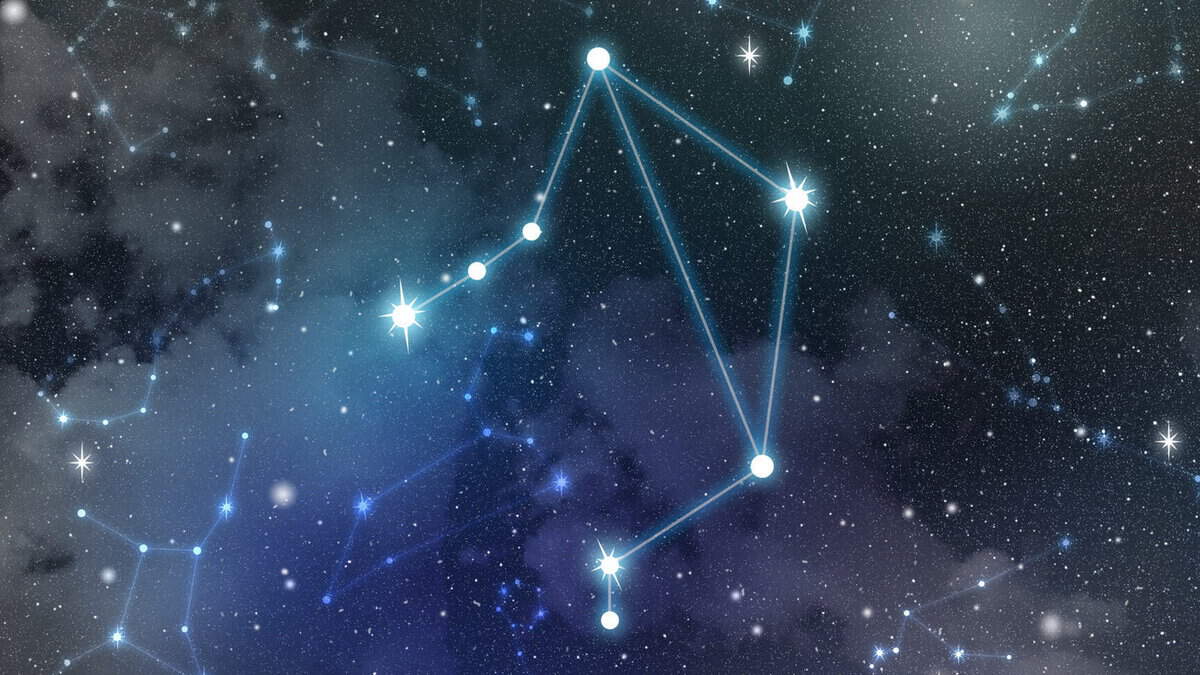
Examples of asterism

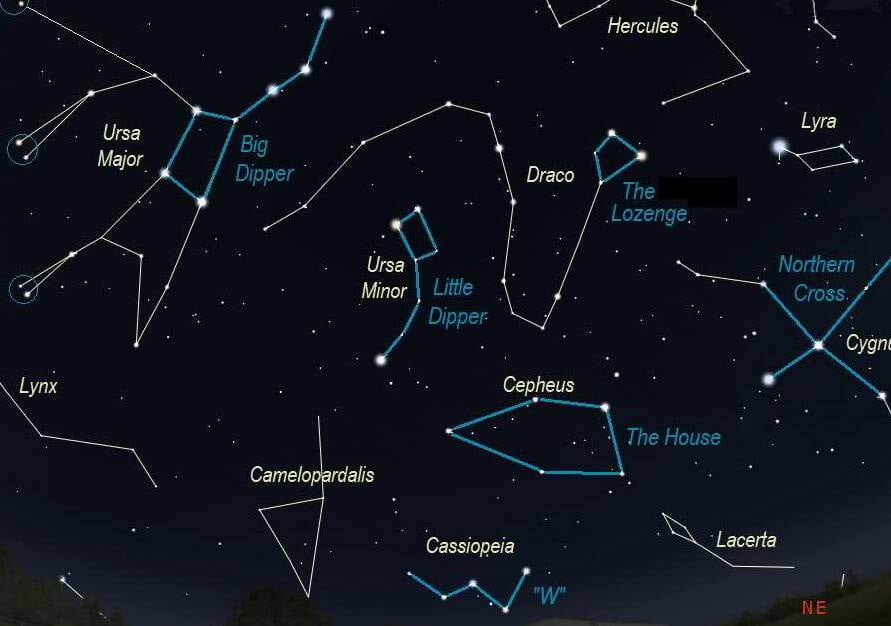
An asterism is a group of stars that form a recognizable pattern within a constellation. These patterns are often used as guideposts for astronomers to locate specific areas of the sky. Here are some examples of well-known asterisms: The Big Dipper, which is part of the Ursa Major constellation, is one of the most famous…

Read More

Ways to study the sun

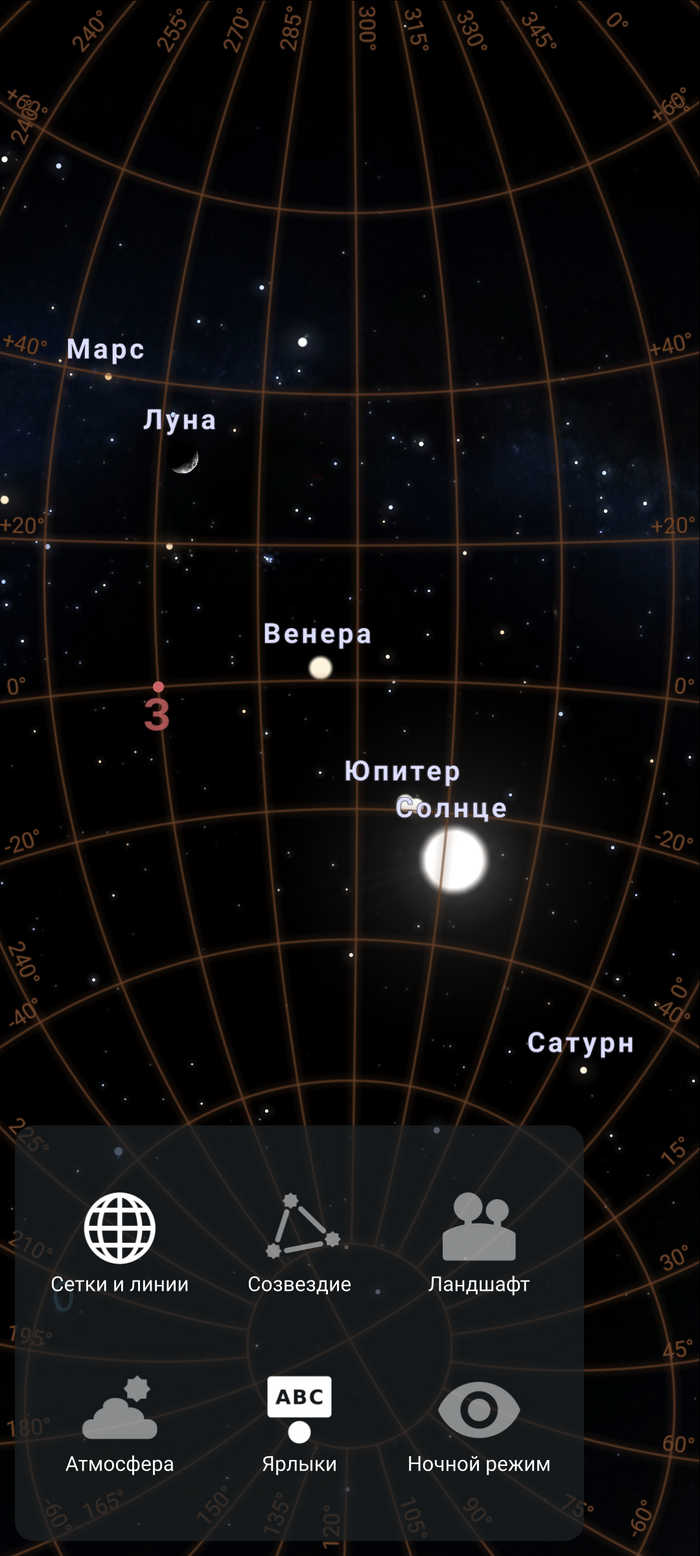
Discover the wonders of the cosmos: an astronomical schedule for the sun, planets, eclipses, stars, comets, meteors, clusters, nebulae. Amateur stargazing involves individuals who lack formal training in astronomy. Similar to professional astronomers, hobbyists possess extensive experience in observing, researching, and astrophotography of various celestial objects. In fact, it is often the amateurs who showcase…

Read More

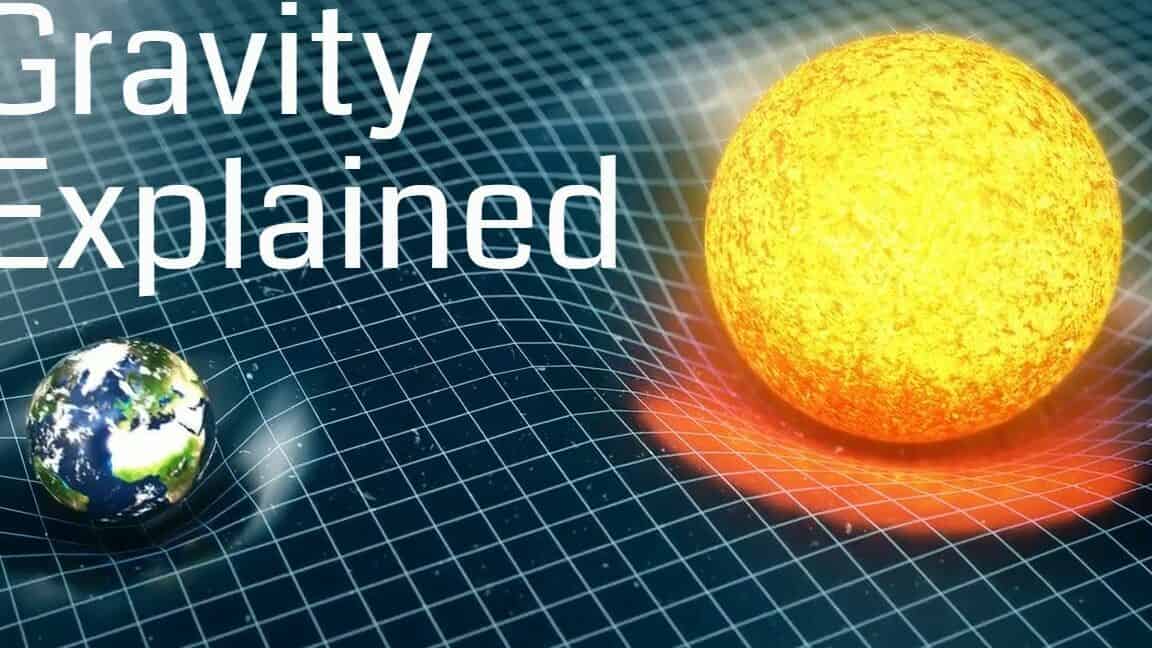
Gravity: An Explanation

According to Obi-Wan Kenobi, the force is responsible for holding the galaxy together. The same principle can be applied to gravity. In reality, gravity enables us to walk on the surface of the Earth, allows the Earth to orbit around the Sun, and permits the Sun to orbit around the supermassive black hole located at…

Read More

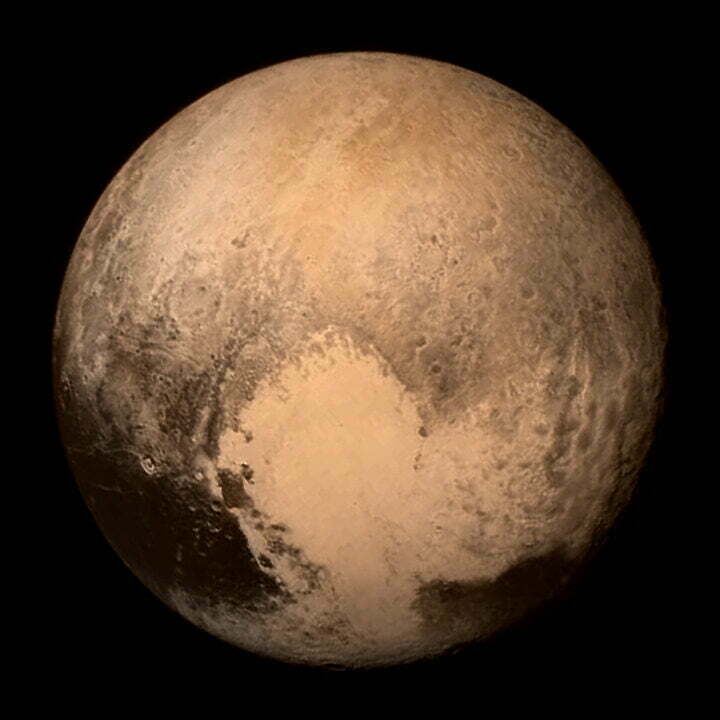
What is the color of Pluto?

Pluto, situated in the solar system’s Kuiper belt, is a dwarf planet. In 1930, American astronomer Clyde Tombaugh discovered it, and it was initially classified as the ninth planet in the solar system. However, in 2006, the International Astronomical Union reclassified it as a dwarf planet. Many individuals have the query regarding the color of…

Read More

Measuring the Distance to Galaxies

The measurement of the distance to galaxies is a fascinating topic in astronomy. One common method used by scientists is the concept of light-years, which is a unit of measurement based on the distance that light travels in one year. The Milky Way Galaxy, for example, is approximately 1,000 light-years thick and has a diameter…

Read More

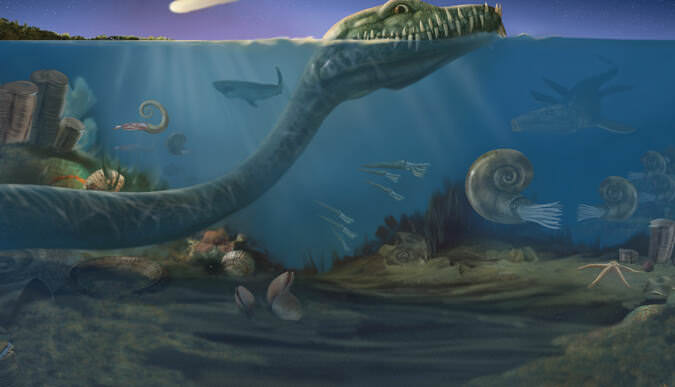
The events of 65 million years ago

The Devonian mass extinction was a devastating event that occurred 65 million years ago, before the first animals were able to transition from the sea to land. During this time, numerous sea creatures faced extinction, leading to a significant loss of biodiversity in the ocean ecosystem. What was the Devonian period like? The Devonian period,…

Read More

Who found the Milky Way

Occasionally, gazing at the stars during a cloudless and pitch-black evening, one may observe a broad luminous trail in the heavens, bearing a resemblance to a river or a pathway. This celestial entity is known as the Milky Way, the home of planet Earth. Its vastness is nearly unfathomable, with a diameter spanning approximately 100-115…

Read More