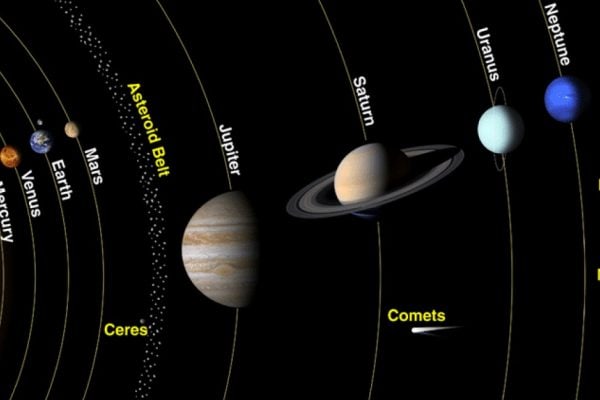
What is the initial planet

The tenth planet to be discovered in our solar system was Pluto, back in the year 1930. It’s hard to believe that it took another 69 years for astronomers to find another planet, but this time outside of our solar system. This planet, known as an exoplanet, has a rather peculiar name that sounds more…

Read More

1 A e what it is

One can only wonder what exactly “1 A e” represents. It is a puzzling phrase that leaves us with more questions than answers. Is it a code? A secret message? Or perhaps just a random combination of letters and numbers? Whatever it may be, “1 A e” remains an enigmatic phrase that continues to intrigue…

Read More

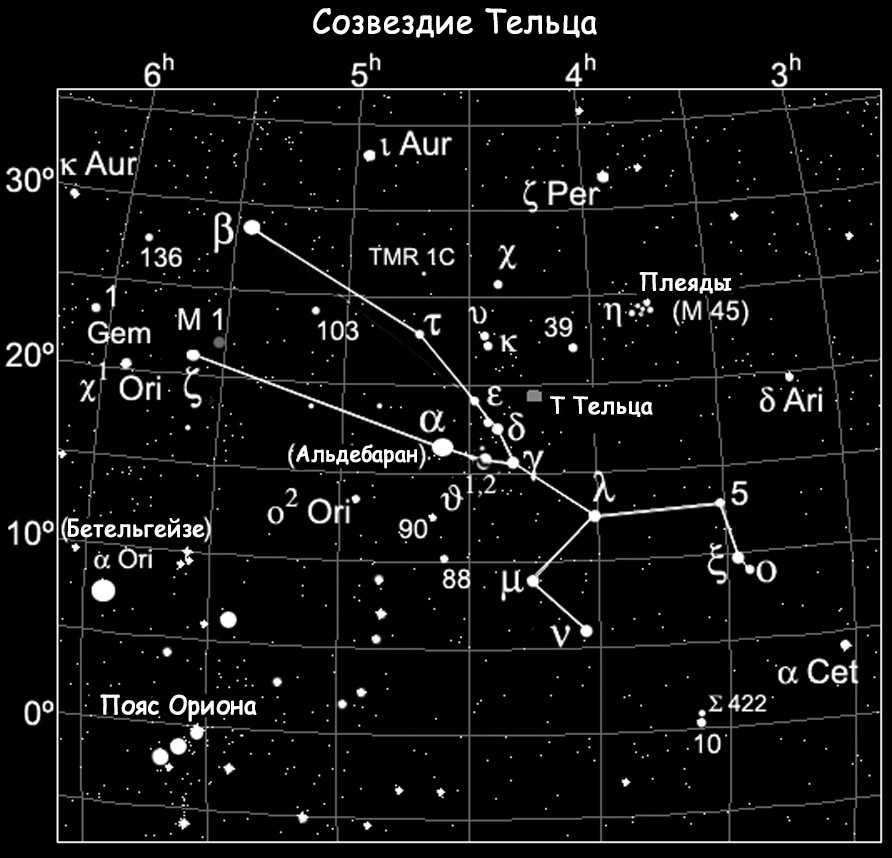
What Taurus constellation looks like

Taurus is one of the most star-rich constellations among the zodiacal constellations. Situated in the Northern Hemisphere, Taurus is most visible during the months of November to January. The original bull in the celestial sky It is incredible to think that without any optical instruments, one can observe a whopping 216 stars in this constellation….

Read More

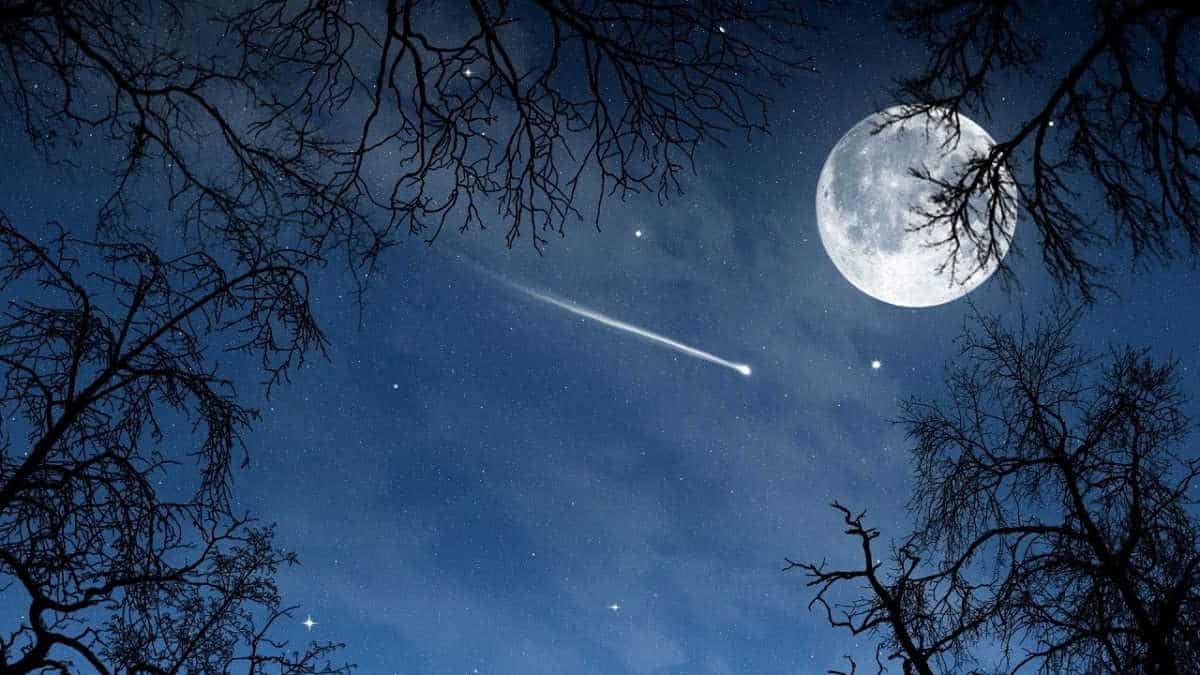
What does a shooting star look like?

You have likely witnessed the phenomenon of Estrella Fugaz and have performed the customary act of making a wish. Shooting stars can be observed on a cloudless night, amidst a celestial backdrop, particularly during specific periods throughout the year. However, what exactly is a shooting star? Is it potentially dangerous? And what is its source…

Read More

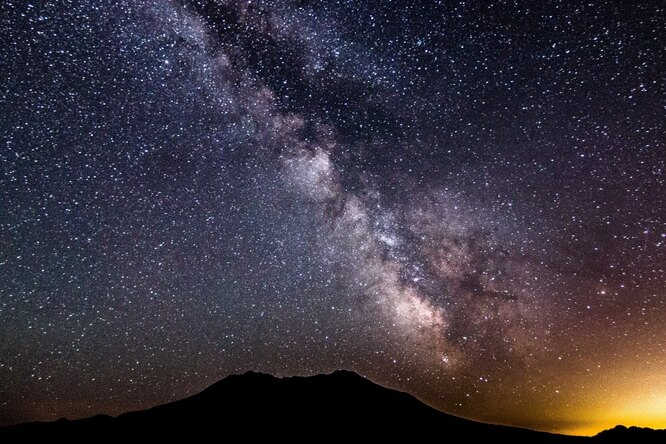
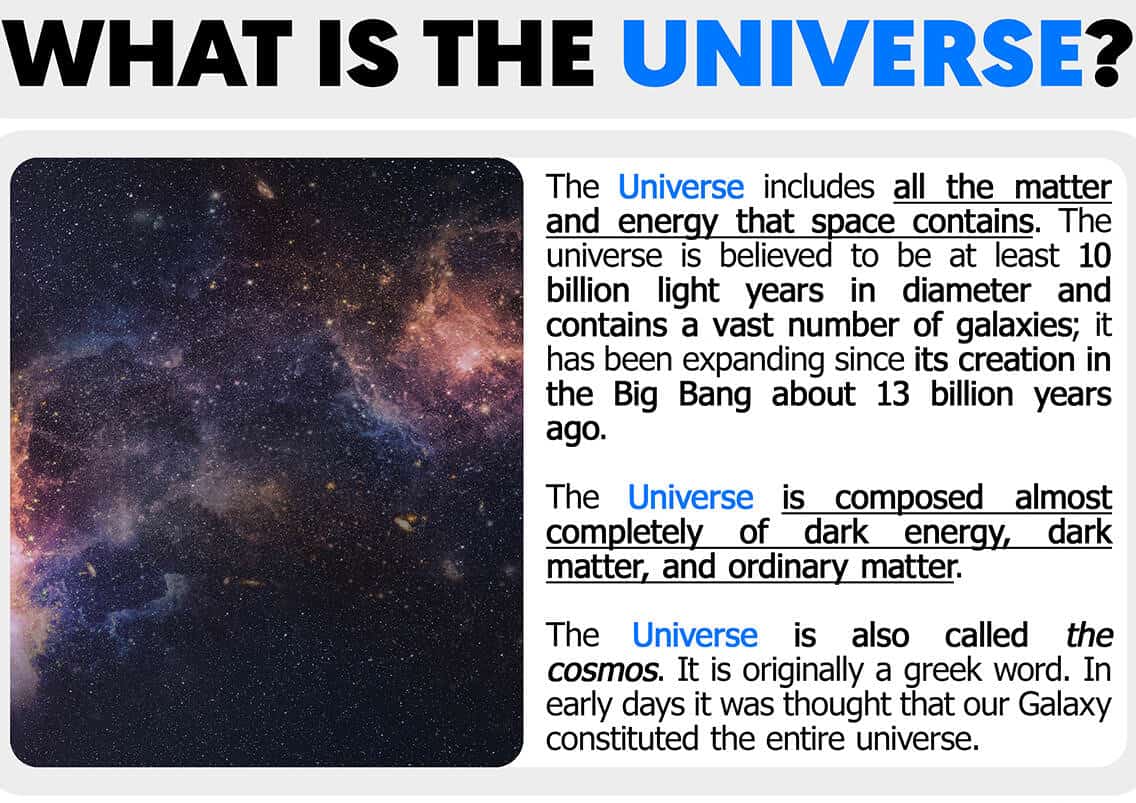
What is the title of our cosmos

The notion of the universe lacks a precise scientific definition. In the past, philosophers and astronomers used it to describe “all of space”. Consequently, terms such as “cosmos”, “macrocosmos”, “world”, and others were considered synonymous with the term “Universe” in various societies and cultures. The advancement of mathematics, physics, and astronomy in the 20th century…

Read More

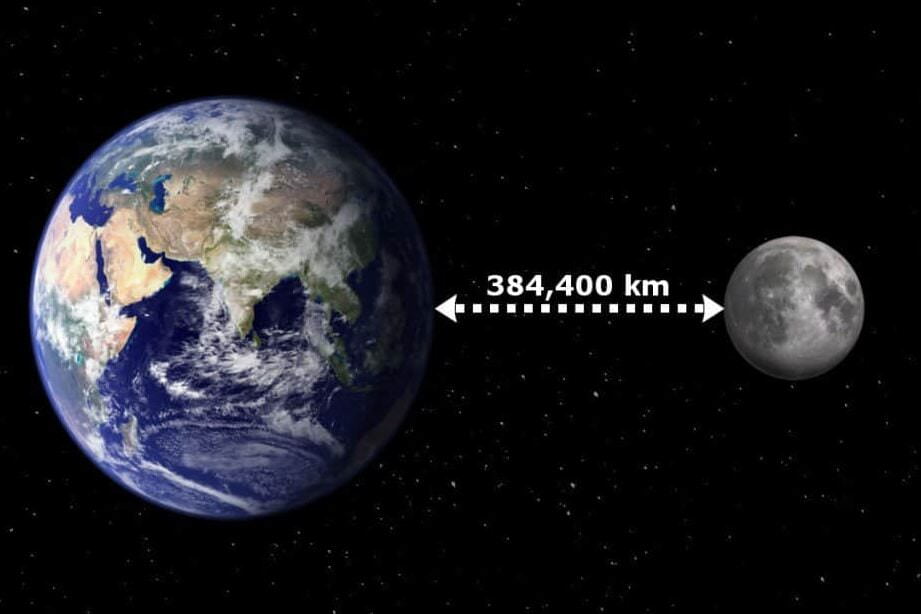
What is the size of the Earth?

The Earth is positioned as the eighth planet in our solar system, and it is situated about 150 million kilometers away from the Sun. Along with Mercury, Venus, and Mars, Earth is classified as a terrestrial planet. In contrast, the second group of planets, known as giant planets, consists of Jupiter, Saturn, Uranus, and Neptune….

Read More