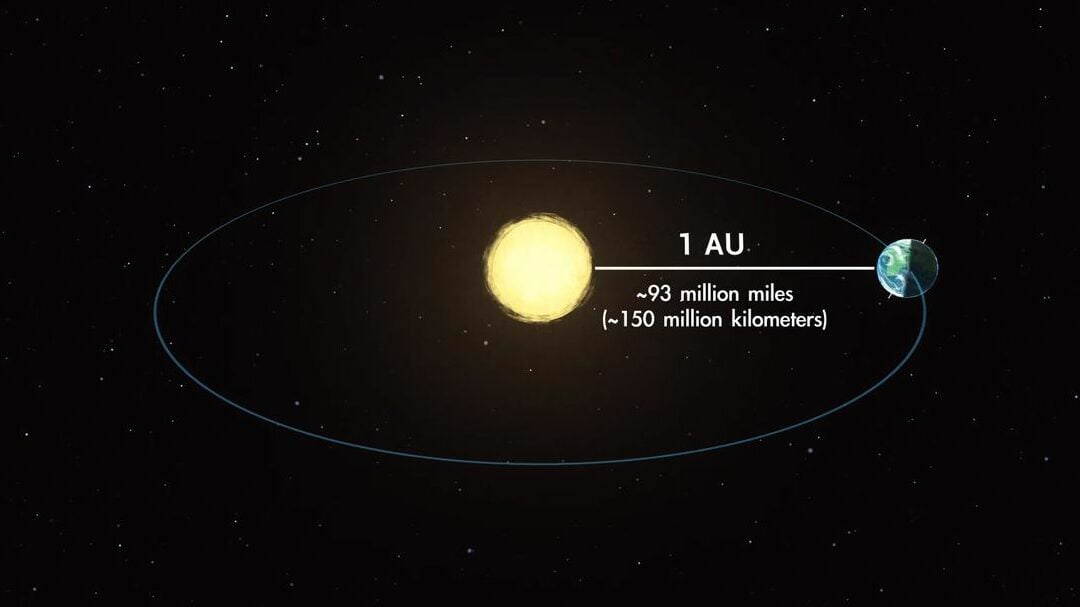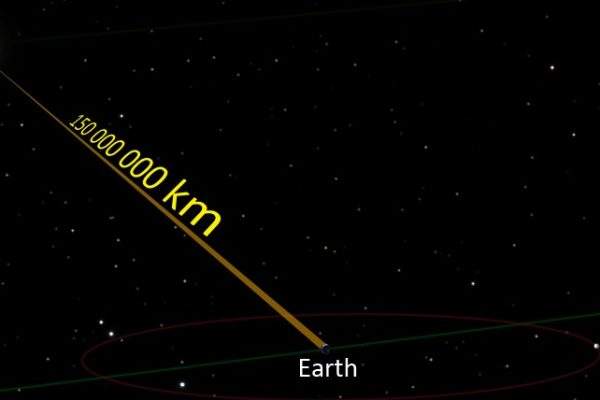
A light hour is the duration of time it takes for light to travel for one hour

As humans ventured out to explore their planet, they needed various units of measurement for distances and lengths. Initially, these measurements were inconsistent because different cultures had their own unique ways of measuring. However, in 1791, French scientists introduced a universal unit of length that is still widely used today – the meter (derived from…
Read More

What is the definition of new stars?

In fact, new stars are not recently born or emerged stars. This is a common misconception among those who are not familiar with our universe. In the field of astronomy, the term “new star” refers to a star that has experienced a significant increase in luminosity and brightness. In fact, these characteristics can increase more…

Read More

How far is it to the moon?

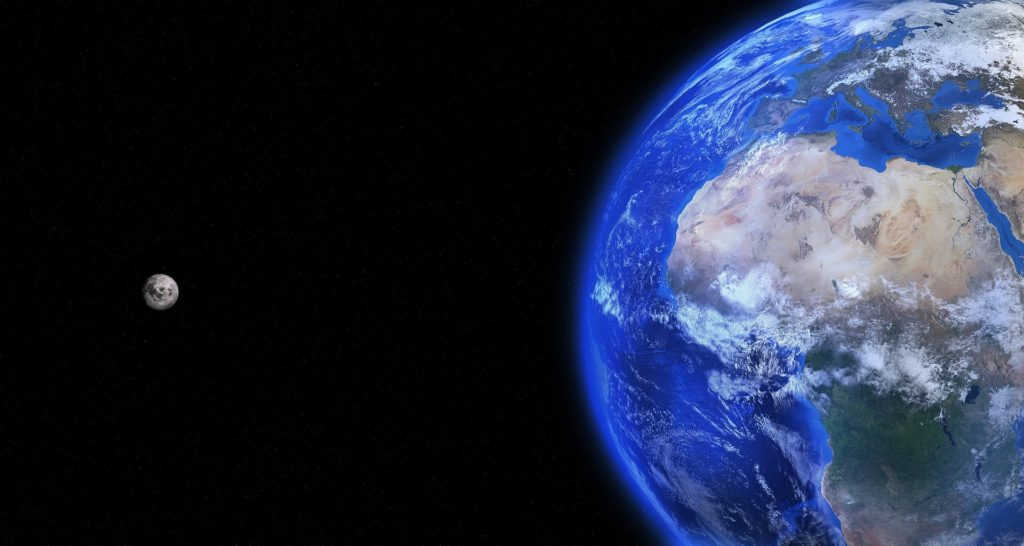
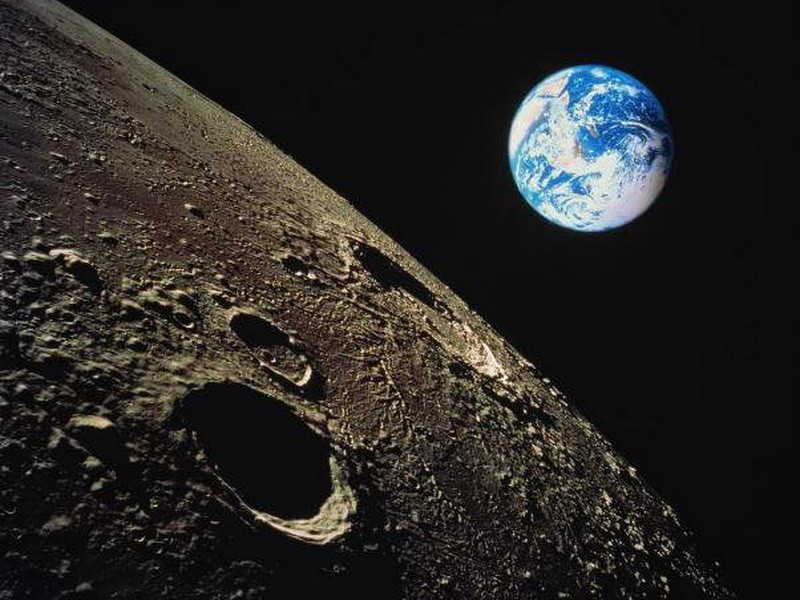
The moon is the closest celestial body to Earth and has been studied by sages, scientists, and stargazers throughout history. One of the most important aspects of this study is determining the distance between Earth and the moon. The ancient Greeks, Egyptians, and Chinese were among the first to attempt these calculations. However, with the…

Read More

How long is 11 light years?

A light-year is not a measure of time, contrary to popular belief. Rather, it is a measurement of distance employed in the field of astronomy. Specifically, a light-year represents the distance that light travels within the span of one year. In the realm of astronomy and science fiction literature, the concept of a light-year is…

Read More

When did Galileo invent the telescope?

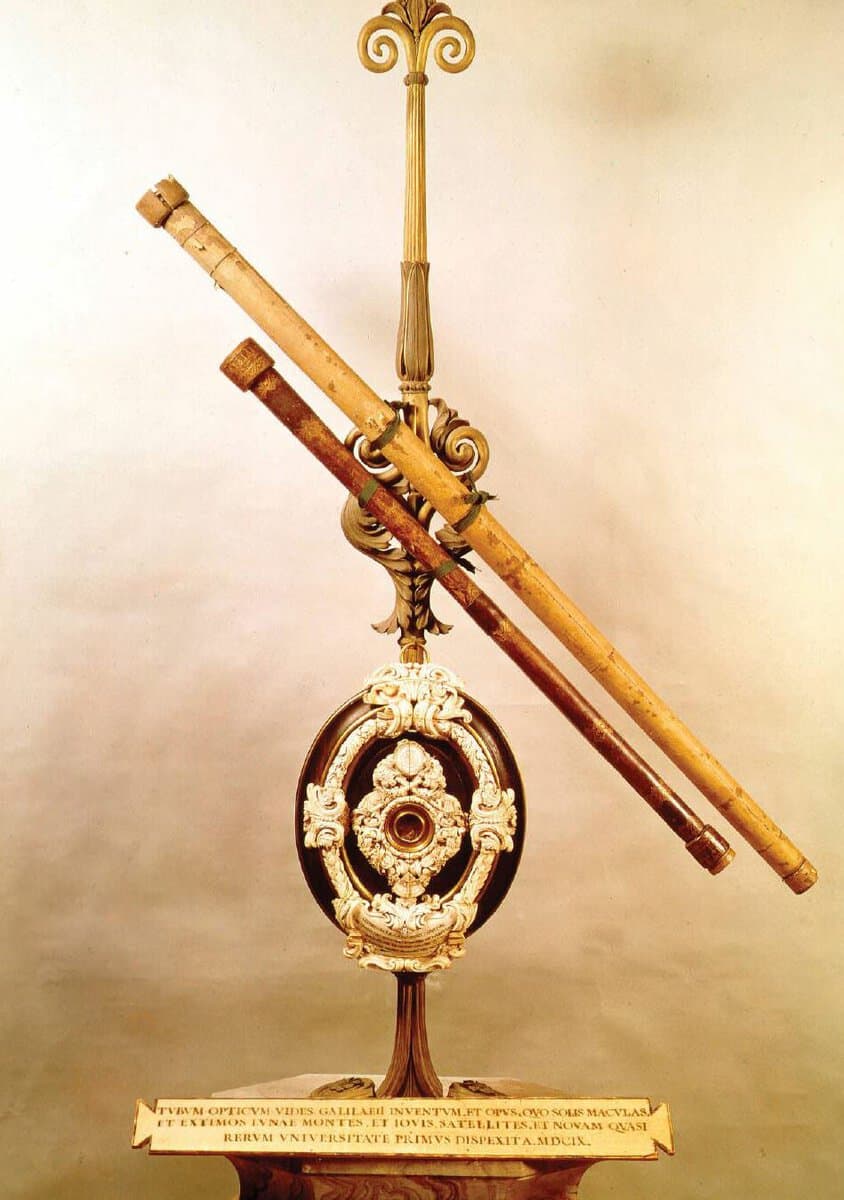
Recently, a replica of the reflector telescope created by Isaac Newton in 1668, called the TAL-35, has appeared on the market in Russia. The experts at the company “Shvabe” have accurately reproduced this groundbreaking invention in the field of astronomy. The “Shvabe” telescope is virtually identical to the original, except for its improved image quality….

Read More