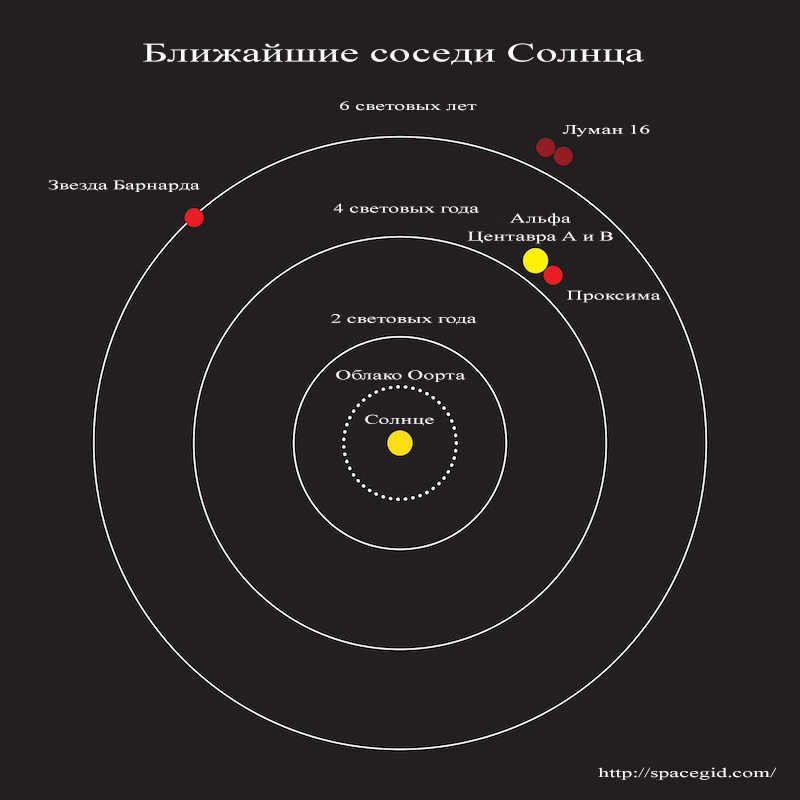
The secrets of the stars that are nearest to our planet will continue to intrigue scientists, amateur stargazers, and writers of science fiction for many years, if not centuries, to come.
Compilation of the nearest stars to our Sun
| 0 | Solar System | Sun | 0 | G2V | −26,72 ± 0,04 | 8.32 ± 0.16 sv. min |
| 1 | Alpha Centauri | Proxima Centauri | 1 | M5.5Ve | 11.09 | 4.2421 ± 0.0016 |
| Alpha Centauri A | 2 | G2V | 0.01 | 4.3650 ± 0.0068 | ||
| Alpha Centauri B | 2 | K1V | 1.34 | |||
| 2 | Barnard’s Star | 4 | M4Ve | 9.53 | 5.9630 ± 0.0109 | |
| 3 | Luhmann 16 | A | 5 | L8 | 23.25 | 6.588 ± 0.062 |
| B | 5 | L9/T1 | 24.07 | |||
| 4 | WISE 0855-0714 | 7 | Y | 13.44 | 7.18 +0.78 −0.65 | |
| 5 | Wolf 359 | 8 | M6V | 13.44 | 7.7825 ± 0.0390 | |
| 6 | Laland 21185 | 9 | M2V | 7.47 | 8.2905 ± 0.0148 | |
| 7 | Sirius | Sirius A | 10 | A1V | -1.43 | 8.5828 ± 0.0289 |
| Sirius B | 10 | DA2 | 8.44 | |||
| 8 | Leiten 726-8 | Leiten 726-8 A | 12 | M5.5Ve | 12.54 | 8.7280 ± 0.0631 |
| Leiten 726-8 B | 12 | M6Ve | 12.99 | |||
| 9 | Ross 154 | 14 | M3.5Ve | 10.43 | 9.6813 ± 0.0512 | |
| 10 | Ross 248 | 15 | M5.5Ve | 12.29 | 10.322 ± 0.036 | |
| 11 | WISE 1506+7027 | 16 | T6 | 14.32 | 10.521 | |
| 12 | Epsilon Eridanus | 17 | K2V | 3.73 | 10.522 ± 0.027 | |
| 13 | Lacaille 9352 | 18 | M1.5Ve | 7.34 | 10.742 ± 0.031 | |
| 14 | Ross 128 | 19 | M4Vn | 11.13 | 10.919 ± 0.049 | |
| 15 | WISE 0350-5658 | 20 | Y1 | 22.8 | 11.208 | |
| 16 | EZ Aquarius | EZ Aquarius A | 21 | M5Ve | 13.33 | 11.266 ± 0.171 |
| EZ Aquarius B | 21 | M? | 13.27 | |||
| EZ Aquarius C | 21 | M? | 14.03 | |||
| 17 | Procyon | Procyon A | 24 | F5V-IV | 0.38 | 11.402 ± 0.032 |
| Procyon B | 24 | DA | 10.70 | |||
| 18 | 61 Cygni | 61 Cygni A | 26 | K5V | 5.21 | 11.403 ± 0.022 |
| 61 Cygni B | 26 | K7V | 6.03 | |||
| 19 | Struve 2398 | Struve 2398 A | 28 | M3V | 8.90 | 11.525 ± 0.069 |
| Struve 2398 B | 28 | M3.5V | 9.69 | |||
| 20 | Groombridge 34 | Groombridge 34 A | 30 | M1.5V | 8.08 | 11.624 ± 0.039 |
| Groombridge 34 B | 30 | M3.5V | 11.06 | |||
| 21 | Epsilon Indi | Epsilon Indi A | 32 | K5Ve | 4.69 | 11.824 ± 0.030 |
| Epsilon Indi B | 32 | T1V | >23 | |||
| Epsilon Indi C | 32 | T6V | >23 | |||
| 22 | DX Cancer | 35 | M6.5Ve | 14.78 | 11.826 ± 0.129 | |
| 23 | Tau Ceti | 36 | G8Vp | 3.49 | 11.887 ± 0.033 | |
| 24 | GJ 1061 | 37 | M5.5V | 13.09 | 11.991 ± 0.057 | |
| 25 | YZ Ceti | 38 | M4.5V | 12.02 | 12.132 ± 0.133 | |
| 26 | Leiten’s Star | 39 | M3.5Vn | 9.86 | 12.366 ± 0.059 | |
| 27 | Teegarden Star | 40 | M6.5V | 15.14 | 12.514 ± 0.129 | |
| 28 | SCR 1845-6357 | SCR 1845-6357 A | 41 | M8.5V | 17.39 | 12.571 ± 0.054 |
| SCR 1845-6357 B | 42 | T6 | ||||
| 29 | Kapteyn’s Star | 43 | M1.5V | 8.84 | 12.777 ± 0.043 | |
| 30 | Lacaille 8760 | 44 | M0V | 6.67 | 12.870 ± 0.057 | |
| 31 | WISE J053516.80-750024.9 | 45 | Y1 | 21.1 | 13.046 | |
| 32 | Kruger 60 | Kruger 60 A | 46 | M3V | 9.79 | 13.149 ± 0.074 |
| Kruger 60 B | 46 | M4V | 11.41 | |||
| 33 | DEN 1048-3956 | 48 | M8.5V | 17.39 | 13.167 ± 0.082 | |
| 34 | UGPS J072227.51-054031.2 | 49 | T9 | 24.32 | 13.259 | |
| 35 | Ross 614 | Ross 614 A | 50 | M4.5V | 11.15 | 13.349 ± 0.110 |
| Ross 614 B | 50 | M5.5V | 14.23 | |||
| 37 | Wolf 1061 | 53 | M3V | 10.07 | 13.820 ± 0.098 | |
| 38 | Van Maanen’s Star | 54 | DZ7 | 12.38 | 14.066 ± 0.109 | |
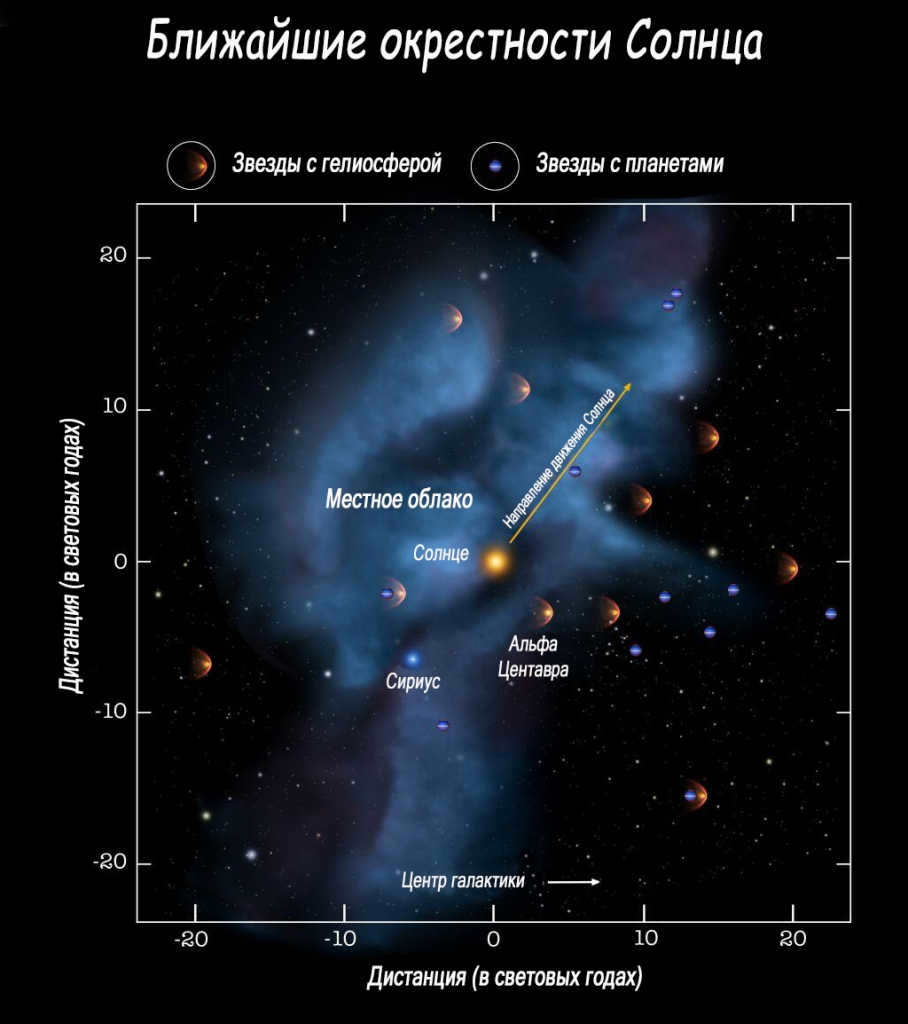
There are only 7 stars on the list that can be considered without the need for optical amplification – Sirius, Alpha Centauri, Epsilon Eridanus, Procyon, Epsilon Indian, Tau Kita, and 61 Swans. These stars have apparent magnitudes ranging from 1.43 to 6.03. The majority of these stars belong to the M spectral class (red) and have temperatures ranging from 2600-3800 K. The two hot stars on the list are Sirius A, which belongs to the A spectral class (white) and has a temperature of 9940 K, and Procyon A, which belongs to the F spectral class (yellow-white) and has a temperature of 6650 K. The list also includes brown dwarfs that belong to the additional spectral classes L, T, and Y. Furthermore, the list includes 4 white dwarfs of class D, which are quite rare objects in the visible sector of the Galaxy.
Distinctive Features of Alpha Centauri: Earth’s Nearest Star System
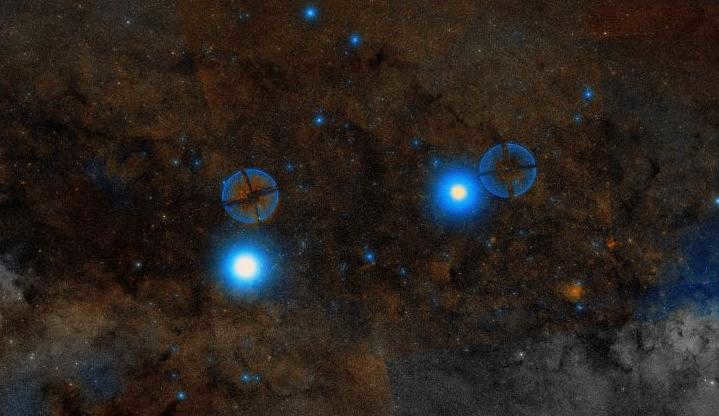
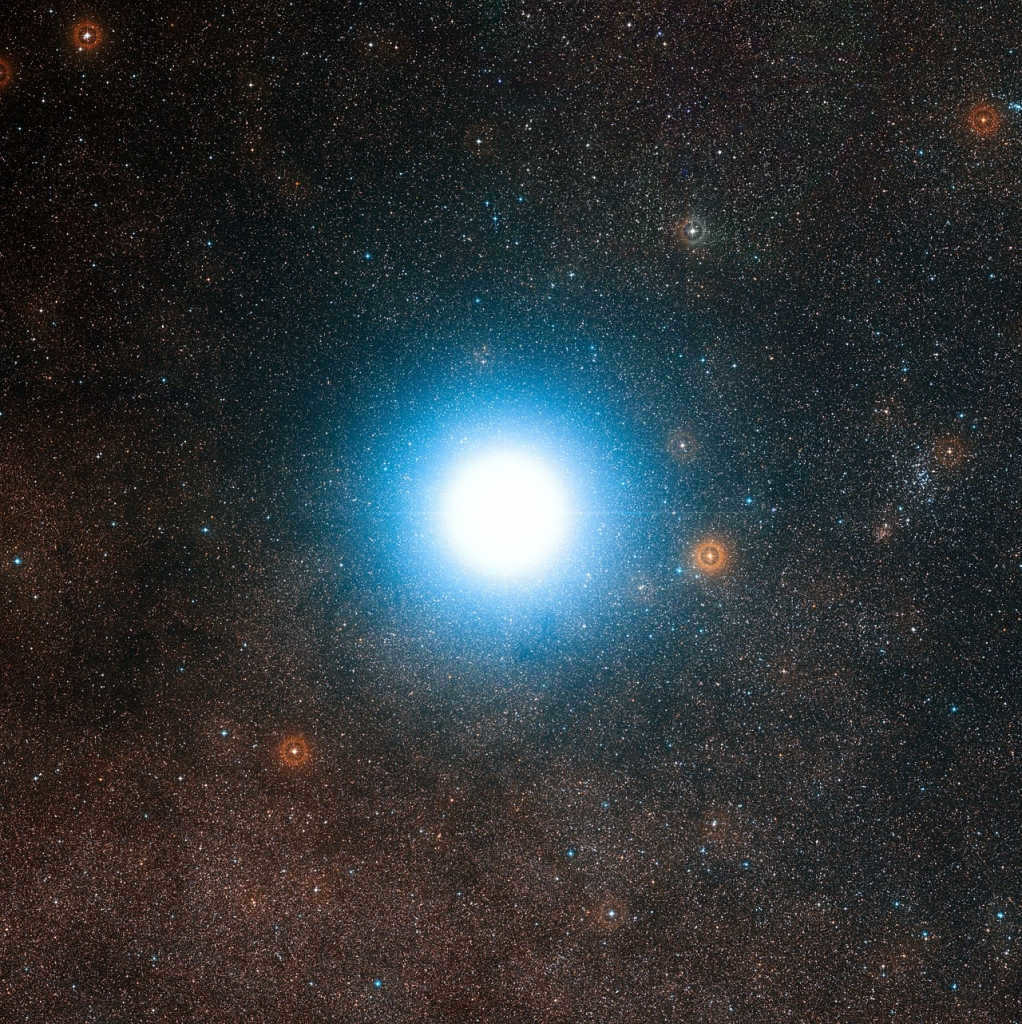
The two other parts of the system – Alpha Centauri A and Alpha Centauri B – have a close interaction with one another. When viewed from Earth, they appear as one star. The system is located at a distance of 4.36 light-years. These objects are classified as G and K spectral types, which means they are yellow and orange dwarfs. They possess similar characteristics and temperatures as the Sun, but they are older with an age of approximately 6 billion years. Alpha Centauri A is larger than its companion, with a mass of 1.1 and a diameter of 1.2 times that of the Sun. On the other hand, Alpha Centauri B has values of 0.9 and 0.86 for mass and diameter, respectively. These celestial bodies orbit each other in an elliptical trajectory with an inclination angle of 79.2 degrees, completing one revolution every 79.9 years.
Exoplanets in the Alpha Centauri System
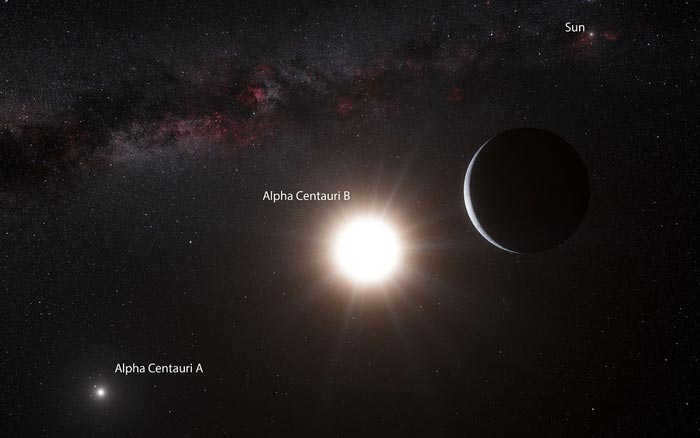
Additional research and computer simulation provide optimism for the existence of a second, larger, and more distant planet near Alpha Centauri B. This hypothetical planet has a rotation period of 20.4 days and is believed to be impacted by Centauri A approximately once every 70 years. If this planet has oceans, its barren terrain would be significantly more susceptible to damage.
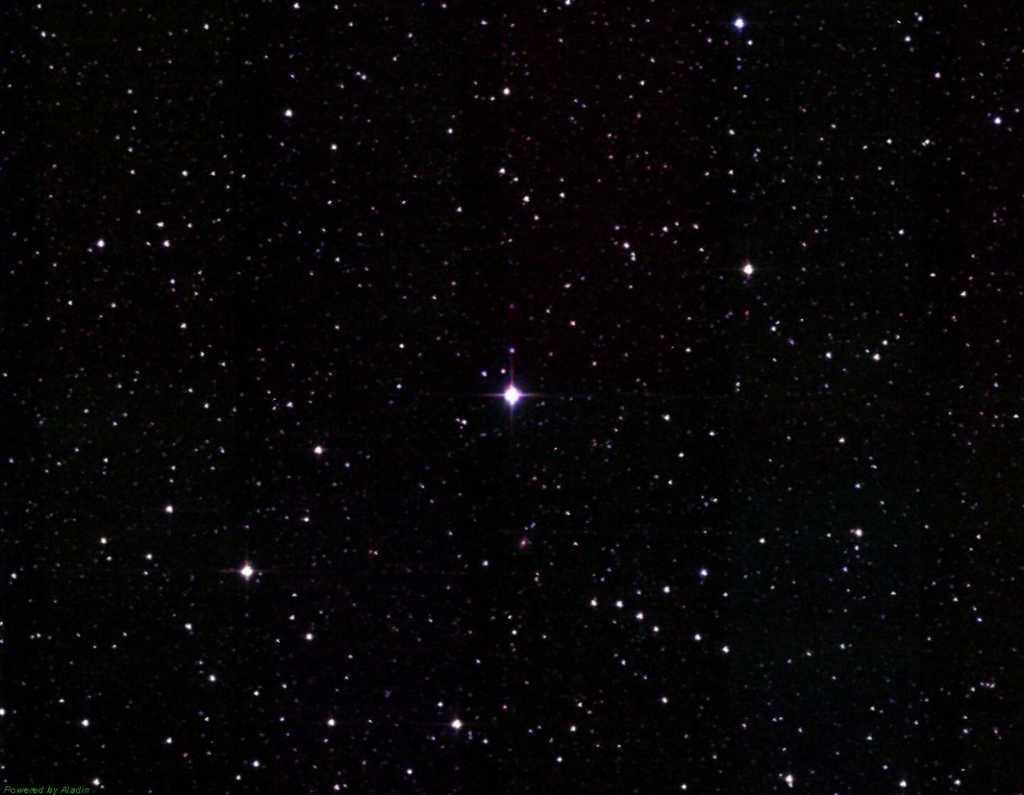
The star known as E. Barnard’s star was discovered by E. Barnard in 1916 and was named in his honor. It belongs to the spectral class M and is classified as a red dwarf. Situated in the equatorial constellation of Serpens, it is located at a distance of 5.96 light-years from Earth. This small celestial body is much smaller and less massive than our Sun, with a mass and diameter that are only 0.17 times that of the Sun. Although it cannot be seen with the naked eye, it is the fourth furthest star from us. The star is nicknamed “Flying Barnard” due to its rapid motion, which is directed towards our Sun. In the future, it will come closer to us than Proxima Centauri. Its velocity is quite remarkable, covering a distance of 10.36 angular seconds in a year.
The Existence of Planets
For many years, a team of researchers in California has been dedicated to the task of discovering planets orbiting around Barnard’s star. However, up until now, there has been no concrete evidence to support their existence.
Luman 16.
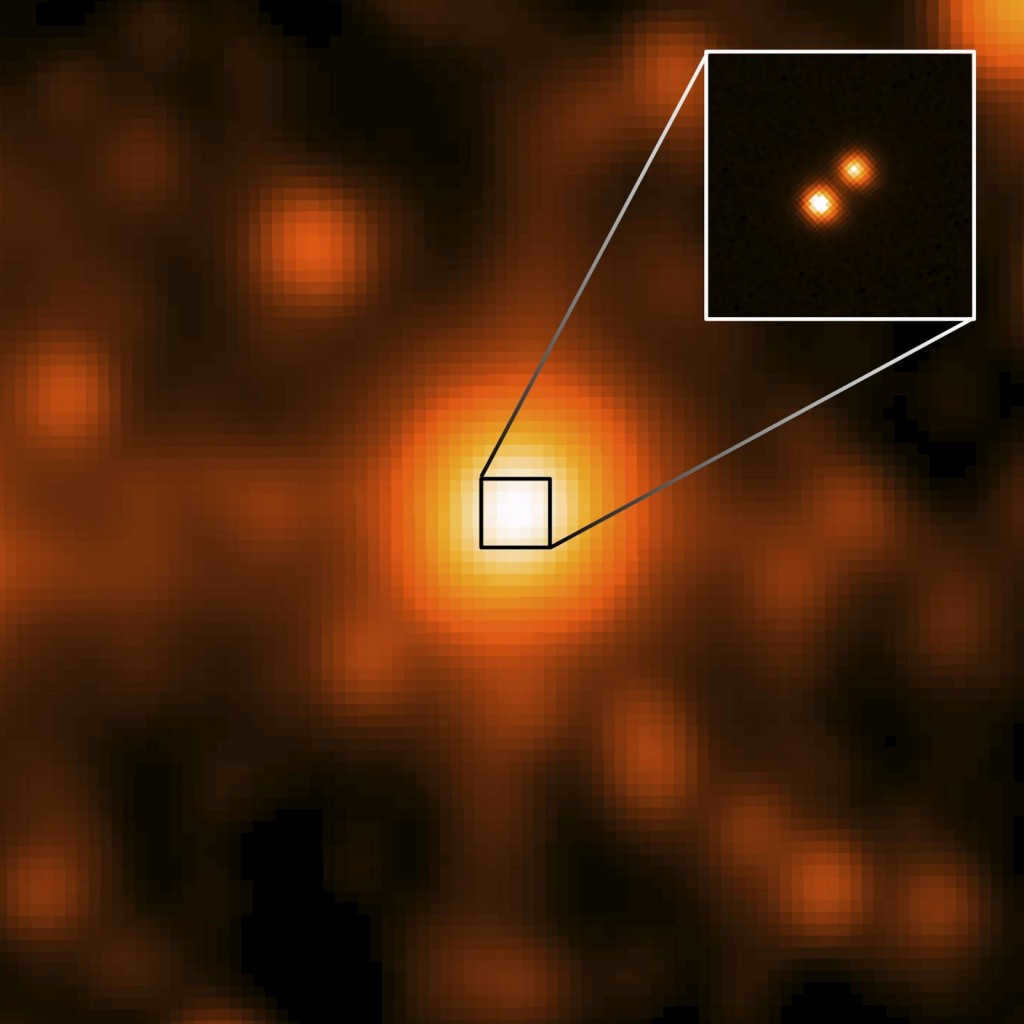
In the Southern Hemisphere, there exists a constellation known as Sails, which has recently become home to a unique double system of brown dwarfs. These brown dwarfs, located at a distance of 6.59 light-years from our Sun, are now considered to be our closest neighbors. Interestingly, the two components of this system are almost identical in terms of their mass, with each one weighing approximately 0.4-0.5 times the mass of our Sun. Additionally, these brown dwarfs have a rotation period that spans two decades. It is worth noting that no other celestial bodies have been detected in close proximity to this fascinating double star system.
Did you know?
It will take approximately 70 thousand years for Earth’s spacecraft to reach our nearest neighbor, Proxima Centauri.
The double star Alpha Centauri has components that are 22 angular seconds apart. When viewed with the naked eye, they appear to merge, but when observed with even a basic telescope, they can be seen as separate. The angular distance between Centauri A and B is not constant and has been changing over time. In 2010, it was 6.74 angular seconds, and by 2016, it will have shrunk to 4. The maximum value will be observed in 2056.
Out of the stars that are close to us, only 3 are considered first magnitude luminaries: Sirius, Alpha Centauri, and Procyon. Additionally, the closest star to Earth is a red dwarf.
Our Universe is an immense expanse where we inhabit a minuscule corner. However, from an Earthling’s perspective, the solar system appears as the most expansive of domains, with distant regions that we are only beginning to venture towards. Moreover, it continues to conceal a multitude of enigmatic and perplexing formations. Thus, despite centuries of investigation, we have merely scratched the surface of the unknown. So, what exactly is the solar system? Today, we shall delve into this inquiry.
Exploring the solar system
It is a well-known fact that if you gaze up into the heavens, you will witness the wonders of our solar system. However, throughout history, only a select few cultures and individuals have truly grasped the magnitude of our cosmic existence. For centuries, it was widely believed that our planet was stationary, positioned at the very core of the universe, with all other celestial bodies orbiting around it.
Nevertheless, even in ancient times, there were proponents of heliocentrism, whose revolutionary ideas would later inspire Nicolaus Copernicus to construct an accurate model with the Sun as the central figure.

During the 17th century, Galileo, Kepler, and Newton were successful in providing evidence that the planet Earth orbited around the Sun. The understanding of gravity aided in the realization that other planets also obeyed the same laws of physics.
The groundbreaking moment arrived with the introduction of Galileo Galilei’s initial telescope. In 1610, he observed Jupiter and its moons. Subsequently, he made discoveries regarding the remaining planets.
During the 19th century, several significant discoveries were made that allowed for a better understanding of the system’s true nature and its position in space. In 1839, Friedrich Bessel successfully determined the apparent shift in the position of stars, revealing the vast distance between the Sun and these celestial bodies.
In 1859, G. Kirchhoff and R. Bunsen utilized a telescope to conduct a spectral analysis of the Sun, which revealed that it is composed of the same elements found on Earth. The influence of parallax can be observed in the lower image.
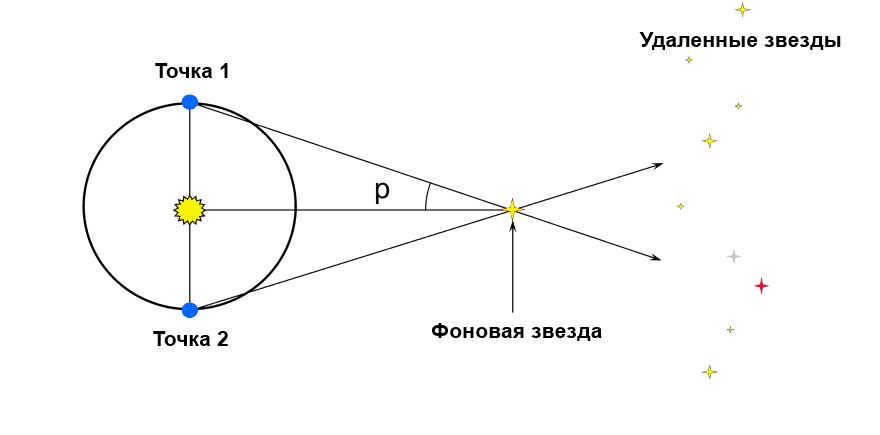
Parallax is a method used to determine the precise distance to an object by observing it from opposite ends of the Earth’s orbit.
In the end, Angelo Secchi successfully compared the spectral signature of the Sun with the spectra of other stars, discovering that they were nearly identical. Percival Lowell carefully examined the far reaches and orbital paths of the planets, hypothesizing the existence of an unknown object – Planet X. Then, in 1930, Clyde Tombaugh spotted Pluto from his observatory.
In 1992, scientists expanded the boundaries of the solar system by making a groundbreaking discovery of a trans-Neptunian object called 1992 QB1. This momentous finding sparked a newfound interest in the Kuiper belt, a region beyond Neptune that is home to numerous icy bodies. The significance of the Kuiper belt grew even stronger with subsequent discoveries, such as the identification of Erida and other objects by Michael Brown’s team. These discoveries ultimately led to a significant decision made during the International Astronomical Union (IAU) meeting: the reclassification of Pluto from a planet to a dwarf planet.
Below, you will find a comprehensive overview of the solar system’s composition. Starting with the main star, the Sun, the list proceeds with the solar planets in their respective order. Further on, you will encounter the asteroid belt, which lies between the orbits of Mars and Jupiter. Continuing beyond the asteroid belt, we delve into the fascinating world of the Kuiper belt, with its diverse collection of icy bodies. Lastly, we explore the outermost reaches of the solar system, where the Oort Cloud resides.
It is worth noting that within the solar system, Jupiter reigns as the largest planet, while Mercury holds the distinction of being the smallest.
Structure and makeup of the Solar System
Makeup of the Solar System
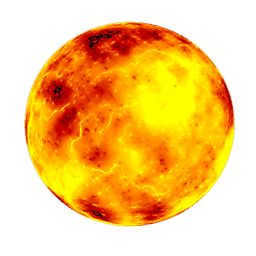
The Sun serves as the primary source of energy for our solar system, exerting its strong gravitational force to maintain the planets in their respective orbits. The solar energy emitted by the Sun not only affects the climate of celestial bodies but also plays a significant role in the potential for life to form.
| The Planets Similar to Earth | |||
| The solar system can be divided into two main regions: the inner and outer regions. The inner region is home to Earth-like planets such as Mercury, Venus, Earth, and Mars. |
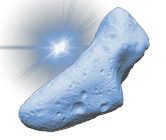
The region beyond the Martian orbital path is known as the Asteroid Belt, which is home to a vast collection of cosmic debris that dates back to the early days of the solar system.
| Gas giants | |||
| The gas giants in our solar system include Jupiter, Saturn, Uranus, and Neptune. These massive planets are located in the outer region of the solar system, separated from the inner section by the Asteroid Belt. Unlike Earth-type planets, gas giants have a composition that consists of a silicate crust, mantle, and a core made of metals. They are primarily composed of a mixture of hydrogen and helium. |
| Neptune conceals the Kuiper Belt and the Oort cloud. The Kuiper Belt harbors dwarf planets and minuscule celestial entities. The Oort cloud serves as a habitat for comets. These regions are situated at a considerable distance, resulting in a scarcity of data regarding them. |
Additional items within the solar system
Comets are composed of ice, dust, and rocks, as well as frozen gas. As they approach the Sun, their temperature rises, causing them to release gas and dust, which in turn makes them appear brighter.
Planetary dwarfs have a tendency to orbit around a star while being unsuccessful in clearing their orbital path. These celestial bodies are smaller in size compared to regular planets. One of the well-known examples of a planetary dwarf is Pluto.
The Kuiper Belt is located beyond the orbit of Neptune and is filled with icy objects arranged in a disk-like formation. Among the most well-known inhabitants of this region are Pluto and Eridus. There are also hundreds of icy dwarf planets residing in this area. The Oort Cloud is the farthest region of the Kuiper Belt, and together they serve as the source of incoming comets.
The Milky Way contains a vast expanse of stars that extends beyond the boundaries of our solar system. It would take an incredible 100,000 years to traverse this expansive region, even at the speed of light. Our solar system is just a small part of the larger Universe, which is home to countless galaxies.
At the heart of our solar system is the Sun, a main sequence G2 star. Surrounding the Sun are the four inner planets, as well as the asteroid belt, four gas giants, the Kuiper belt (which extends from 30 to 50 astronomical units), and the spherical Oort Cloud, which stretches an astonishing 100,000 astronomical units into the interstellar medium.
The Sun is incredibly dominant in terms of mass, accounting for a staggering 99.86% of the total systemic mass. Its gravity exerts a powerful influence over the planets, which are primarily located near the ecliptic and orbit in a counterclockwise direction.
The gas giants make up approximately 99% of the total planetary mass, with Jupiter and Saturn alone accounting for over 90% of this mass.
Unofficially, the arrangement is divided into multiple sections. The innermost section comprises of the four rocky planets and the asteroid belt. Following that is the outer section, housing four gas giants. Additionally, there is a distinct region occupied by trans-Neptunian objects (TNO). This means that the outer boundary is easily identifiable, as it is demarcated by the massive planets within the solar system.
Several planets can be likened to miniature systems, as they possess a collection of moons. Furthermore, gas giants are often accompanied by rings – narrow bands of small particles that encircle the planet. Typically, the larger moons are held in place by gravitational forces. The diagram below provides a visual comparison of the sizes of the Sun and the planets within the system.
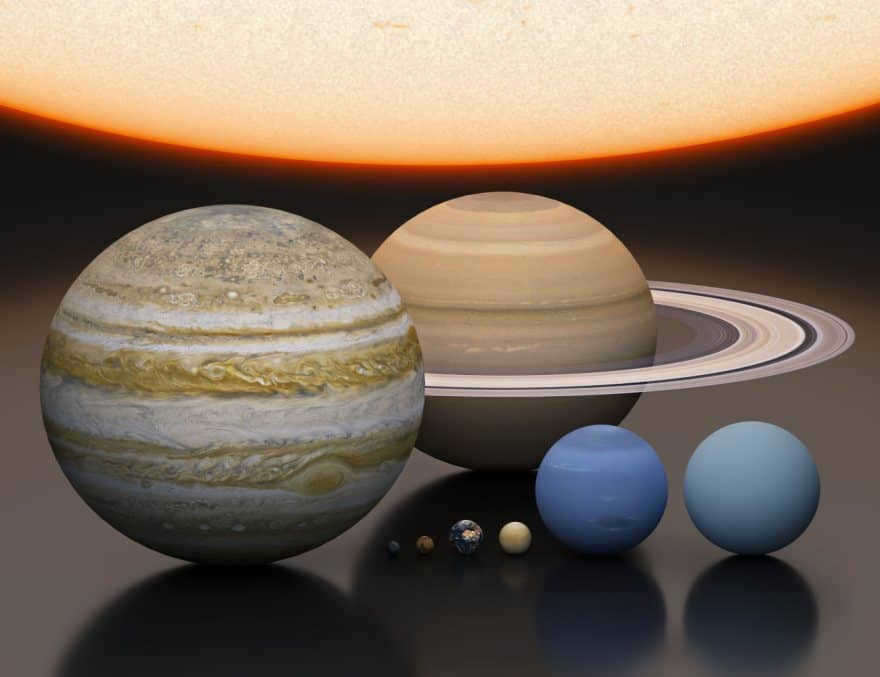
A comparison is being made between the size of the Sun and the planets within our solar system.
The Sun is primarily made up of 98% hydrogen and helium, while the Earth-type planets consist of silicate rock, nickel, and iron. On the other hand, the gas giants are predominantly composed of gases and ice, such as water, ammonia, hydrogen sulfide, and carbon dioxide.
The celestial bodies within our solar system that are positioned farther away from the Sun experience much lower temperatures. This is why the ice giants, Neptune and Uranus, as well as smaller objects located beyond their orbits, are notable. These objects contain volatiles in the form of gases and ices that have the ability to condense at a distance of 5 astronomical units from the Sun.
The birth and development of the solar system
The solar system originated approximately 4.568 billion years ago from the gravitational collapse of a massive molecular cloud consisting primarily of hydrogen and helium, with trace amounts of heavier elements. This cloud collapsed under its own gravity, causing it to spin rapidly.
The majority of the mass was drawn towards the center, resulting in an increase in temperature. As the nebula continued to shrink, the acceleration intensified, leading to the formation of a flattened protoplanetary disk surrounding a glowing protostar.
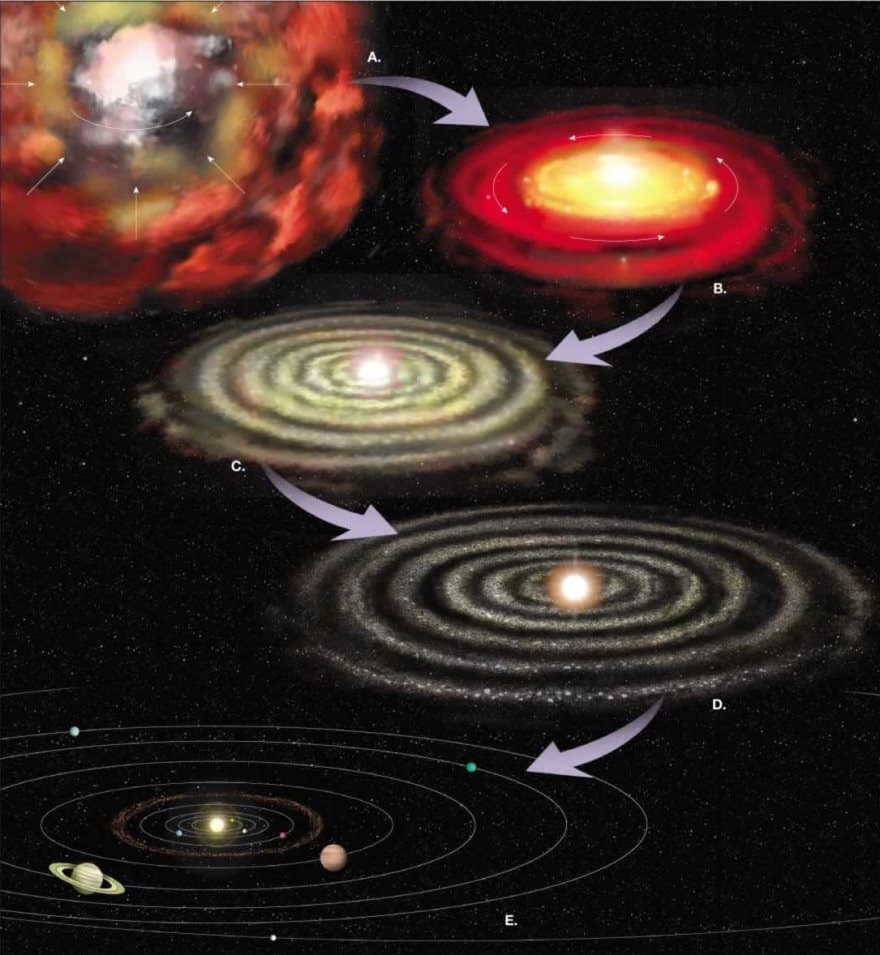
A visual depiction of the formation of planets from a solar nebula
As a result of the intense heat near the star, only metals and silicates could exist in a solid state. This led to the creation of four rocky planets: Mercury, Venus, Earth, and Mars. However, the scarcity of metal prevented these planets from growing larger.
Following the rocky planets, the gas giants formed in cooler regions of the solar system. In these regions, volatile icy compounds were able to remain in a solid state. These planets grew significantly larger, acquiring vast amounts of hydrogen and helium in their atmospheres. The remaining material failed to coalesce into planets and instead settled in the Kuiper Belt or migrated to the Oort Cloud.
The birth of the Sun occurred as a result of nuclear fusion triggered by the pressure and density of hydrogen in the protostar, after more than 50 million years of evolution. The heliosphere was formed by wind, which also propelled gas and dust into space.
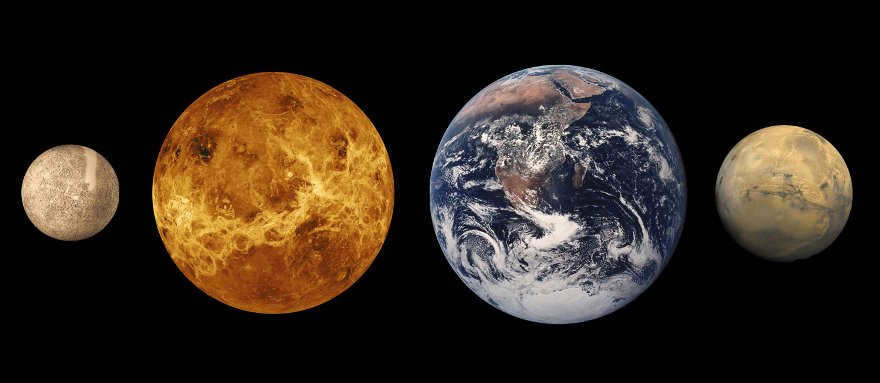
The solar system contains planets that are similar to Earth in size. The proportions of these planets are accurate.
Currently, the solar system remains in a familiar state. However, the Sun is undergoing changes and in 5 billion years, it will complete the process of converting hydrogen into helium. During this transformation, the core of the Sun will collapse, resulting in the release of a vast amount of energy. As a result, the Sun will expand 260 times its current size and become a red giant.
This expansion will have devastating effects on the planets closer to the Sun, such as Mercury and Venus. Our own planet, Earth, will also be affected and will become extremely hot, leading to the loss of all life. Eventually, the outer layers of the Sun will be expelled into space, leaving behind a white dwarf that is the size of Earth. This process will give rise to a planetary nebula.
The inner part of the solar system
This section consists of the first four planets that are closest to the star. They all share similar characteristics and have a rocky composition made up of silicates and metals. These planets are located closer to the star compared to the gas giants. They have lower density and smaller size, and they do not possess large moon systems or rings.
The crust and mantle of these planets are primarily composed of silicates, while metals make up their cores. With the exception of Mercury, all of these planets have an atmospheric layer that allows for the formation of weather patterns. The surface of these planets exhibits noticeable impact craters and tectonic activity.
Mercury is the planet that is closest to the star. It is also the smallest planet in the solar system. Its magnetic field is only 1% as strong as Earth’s, and its thin atmosphere causes extreme temperature variations, with the planet being scorching hot at 430°C and freezing cold at -187°C.
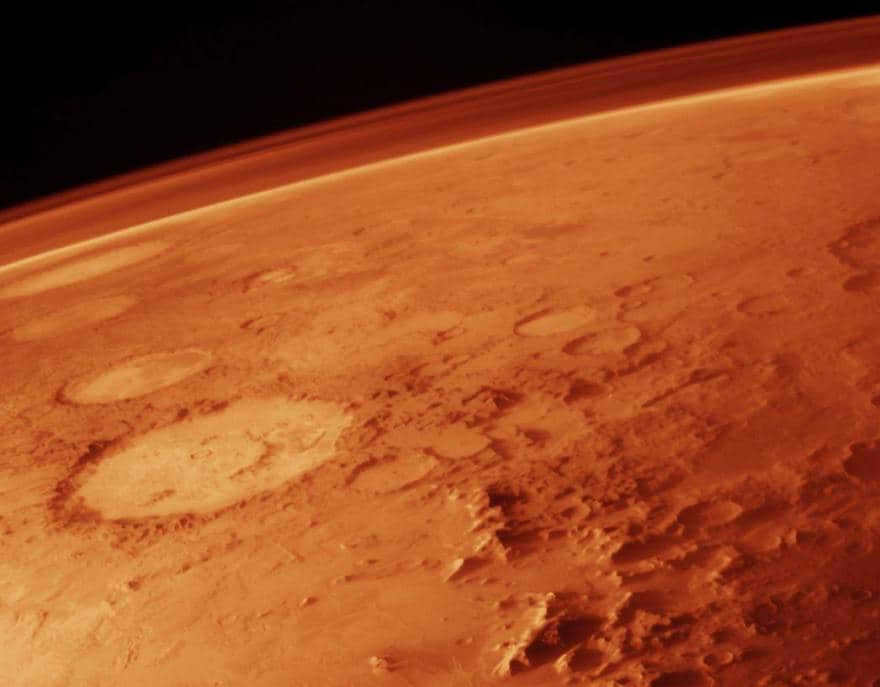
Venus shares a similar size with Earth and possesses a dense layer of atmosphere. However, this atmosphere is highly toxic and functions as a greenhouse. It consists of 96% carbon dioxide, alongside nitrogen and various impurities. Dense clouds are composed of sulfuric acid. The planet’s surface features numerous canyons, with the deepest one reaching a staggering 6,400 kilometers.
Earth, our home, is the most extensively studied celestial body. It boasts a rocky surface adorned with mountains and depressions. At its core lies a dense metal center. The atmosphere contains water vapor, which helps regulate the temperature. In close proximity, the moon orbits around the Earth.
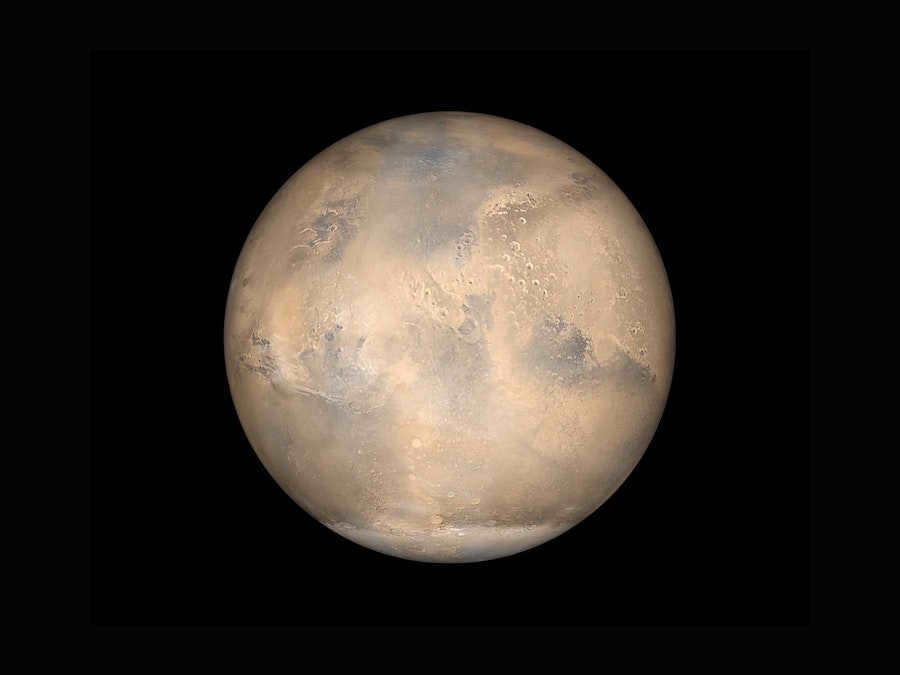
Mars is famously known as the Red Planet due to its distinct appearance, characterized by a reddish hue. This coloration is a result of iron materials on the planet’s surface undergoing oxidation. Mars boasts several remarkable geological features, including the system’s tallest mountain, Olympus, which towers at an impressive height of 21,229 meters. Additionally, the planet is home to Mariner Valley, the deepest canyon in the solar system, spanning a staggering 4,000 kilometers. The majority of Mars’ surface is ancient, and the poles are adorned with ice caps. The presence of a thin layer of atmosphere suggests the possibility of water deposits on the planet. Mars has a solid core, and it is orbited by two satellites, Phobos and Deimos.
The outer region of our solar system
Within the outer part of our solar system, we find the gas giants which are characterized by their immense size, intricate systems of moons, and captivating rings. However, it is worth noting that only Jupiter and Saturn are visible to the naked eye, while the rest require the aid of telescopes for observation.
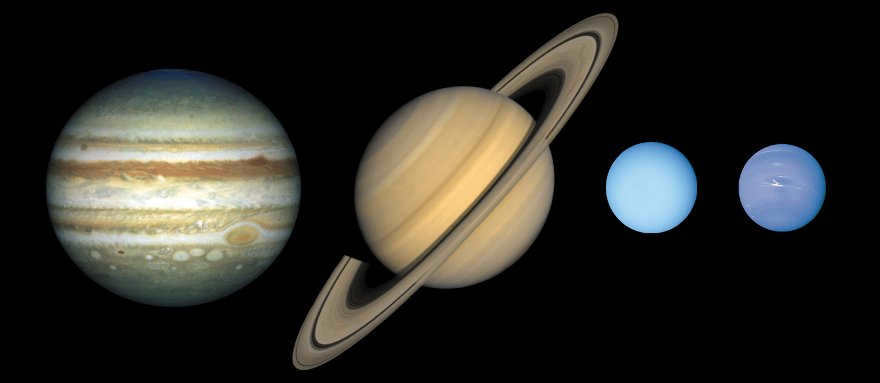
The celestial bodies beyond Mars in our solar system consist of Jupiter, Saturn, Uranus, and Neptune. These planets vary in size and qualities.
Jupiter, the largest planet in our solar system, boasts a rapid rotational speed of 10 hours and takes 12 years to complete its orbit around the sun. Its atmosphere is predominantly composed of hydrogen and helium, with a dense layer that can rival the size of Earth. Additionally, Jupiter is accompanied by numerous satellites, faint rings, and the Great Red Spot, a powerful storm that has raged for over four centuries.
Saturn, on the other hand, is renowned for its stunning ring system, which is comprised of seven distinct pieces. This planet also possesses its own set of satellites and has a hydrogen and helium atmosphere that spins rapidly with a rotational speed of 10.7 hours. Saturn takes approximately 29 years to complete its journey around the sun.
William Herschel discovered Uranus in 1781. The planet rotates once every 17 hours and takes 84 years to complete an orbit. It contains large amounts of water, methane, ammonia, helium, and hydrogen, with these substances being primarily concentrated around a rocky core. Uranus has a lunar family and a set of rings. Voyager 2 conducted a flyby of Uranus in 1986.
Neptune, on the other hand, is a remote planet that contains water, methane, ammonium, hydrogen, and helium. It is also accompanied by six rings and numerous satellites. Voyager 2 also conducted a flyby of Neptune in 1989.
The trans-Neptune region of the solar system
There has been a discovery of numerous objects in the Kuiper belt, with estimates suggesting that there could be up to 100,000 objects with diameters larger than 100 km. These objects are incredibly small and are located at vast distances, making it challenging to determine their composition.
Analysis using spectrographs has revealed an icy mixture in the Kuiper belt, consisting of hydrocarbons, water ice, and ammonia. Initial observations have also shown a wide range of colors, ranging from neutral to bright red, indicating a diverse composition. A comparison between Pluto and KBO 1993 SC has shown significant differences in their surface elements.
Water ice has been detected in three objects: 1996 TO66, 38628 Huya, and 20000 Varuna. Additionally, crystalline ice has been observed in Kvavara.
The Oort Cloud and the Boundless Expanse of the Universe
Scientists speculate that the Oort Cloud, a magnificent celestial formation, stretches an astonishing distance of 2000-5000 astronomical units (a.u.) and could potentially extend up to a mind-boggling 50000 a.u. away from our star. Some even believe that the outermost edge of this ethereal cloud may reach an unfathomable 100000-200000 a.u. Truly, it is a realm of cosmic proportions.
Within this vast expanse, the Oort Cloud can be delineated into two distinctive segments: the outer region, which spans from 20000-50000 a.u., and the inner region, which stretches from 2000-20000 a.u. Each of these domains harbors a myriad of celestial bodies, with the outer region alone hosting trillions of objects measuring a kilometer or more in diameter. Astonishingly, billions of entities with a width of 20 km also inhabit this outer realm, making it a truly awe-inspiring sight to behold.
While the exact mass of the Oort Cloud remains elusive, scientists speculate that the illustrious Halley’s Comet serves as a representative example. It is postulated that the total mass of this ethereal formation amounts to a staggering 3 x 10 25 km, which is equivalent to the mass of five Earths. Such a vast accumulation of matter serves as a testament to the sheer grandeur and immensity of the Oort Cloud.
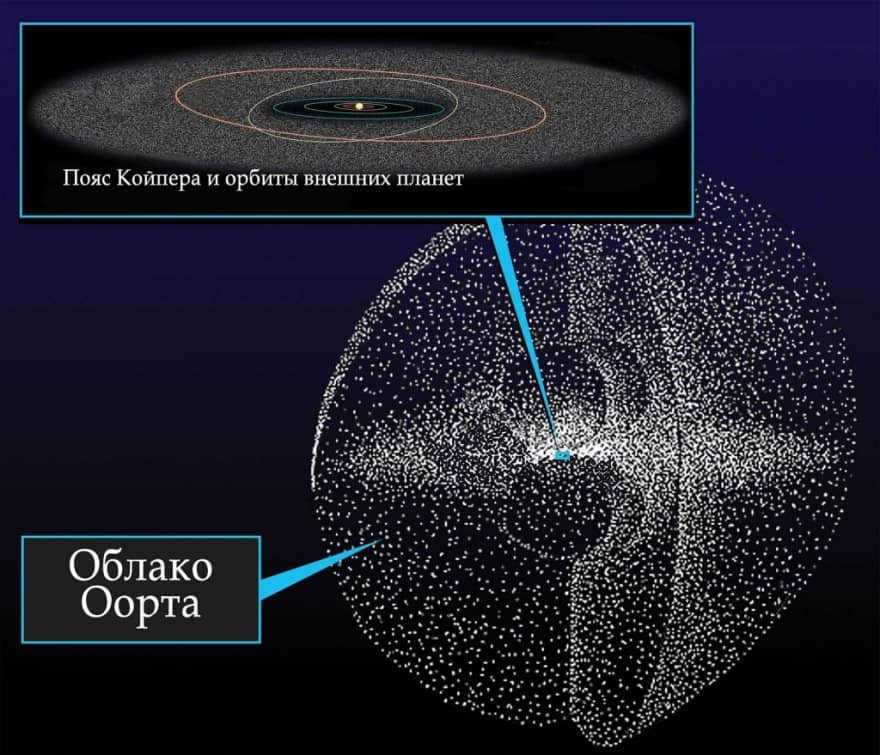
The position of the Oort Cloud
When it comes to comets, the majority of the celestial bodies in the cloud consist of ethane, water, carbon monoxide, methane, ammonia, and hydrogen cyanide. About 1-2% of the population is comprised of asteroids.
The trans-Neptunian objects (TNOs), which include the Kuiper Belt and Oort Cloud bodies, are called so because they are situated beyond Neptune’s orbit.
Exploring the Solar System
Although the solar system remains vast in size, our understanding of it has significantly grown thanks to the launch of spacecraft into outer space. The era of space exploration began in the mid-20th century and has allowed us to visit all of the planets in our solar system with Earth-based vehicles. Through these missions, we have acquired photographs, videos, as well as conducted analysis of the soil and atmosphere of some planets.
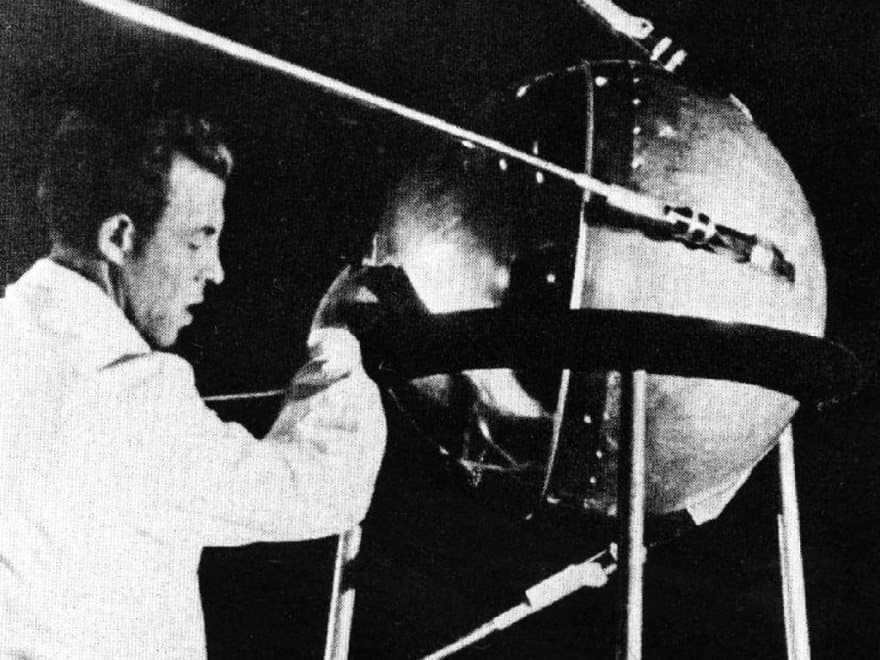
A Soviet engineer is getting ready for the launch of Sputnik-1.
The Soviet Union launched the first artificial spacecraft called Sputnik-1 in 1957. It spent several months in orbit and collected valuable data on the atmosphere and ionosphere. In 1959, the United States joined the space exploration race with its own spacecraft called Explorer-6, which captured the first-ever pictures of our planet.
These groundbreaking missions provided a wealth of information about the features of different celestial bodies. Luna 1 became the first spacecraft to fly by another object when it passed our moon in 1959. In 1964, Mariner successfully flew to Venus, while Mariner-4 reached Mars in 1965. Mission 10 accomplished a flyby of Mercury in 1974.
In the 1970s, the exploration of the outer planets commenced. Jupiter was first visited by Pioneer-10 in 1973, followed by a mission to Saturn in 1979. However, the real breakthrough came in the 1980s with the Voyagers, which successfully orbited the gas giants and their moons.
Currently, New Horizons is focused on exploring the Kuiper Belt. In 2015, the spacecraft successfully reached Pluto, capturing the first close-up images and gathering a wealth of information. It is now on its way to a distant TNO.
Additionally, there has been a desire to land on another planet, leading to the deployment of rovers and probes in the 1960s. Luna-10 became the first to enter lunar orbit in 1966. In 1971, Mariner-9 arrived near Mars, while Verena-9 orbited the second planet in 1975.
Galileo made the first-ever orbit around Jupiter in 1995, while the renowned Cassini mission arrived near Saturn in 2004. MESSENGER and Dawn explored Mercury and Vesta in 2011 respectively. Finally, Dawn also completed a flyby of the dwarf planet Ceres in 2015.
The initial spacecraft to successfully land on a celestial body was Luna-2 in 1959. This was followed by successful landings on Venus in 1966, Mars in 1971, asteroid 433 Eros in 2001, and Titan and Tempel in 2005.
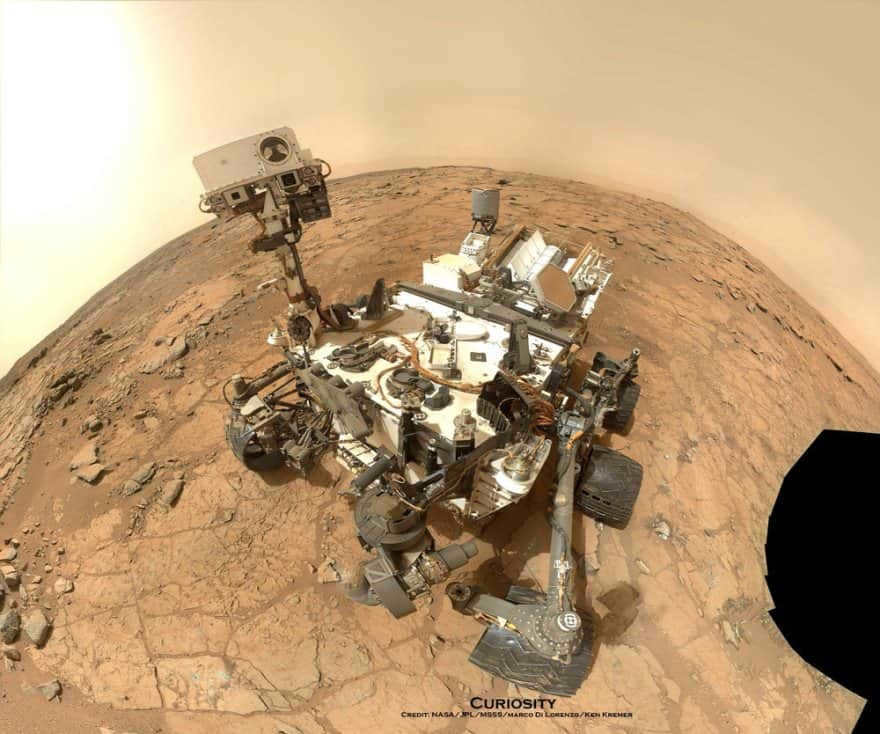
The photo shows the Curiosity rover, which was photographed by its MAHLI camera in 2013.
Until now, manned vehicles have only been sent to Mars and the Moon. However, the first robotic vehicle to explore another celestial body was the Lunokhod-1, which was sent to the Moon in 1970. Since then, the Spirit (2004), Opportunity (2004), and Curiosity (2012) rovers have successfully landed on Mars.
The 20th century was characterized by a space race between the United States and the USSR. The Soviets launched the Vostok program, which achieved its first mission in 1961 with Yuri Gagarin becoming the first person to orbit the Earth. In 1963, Valentina Tereshkova became the first woman to fly into space as part of the Vostok program.
The United States developed the Mercury project, which also aimed to send humans into space. The first American to orbit the Earth was Alan Shepard in 1961. After the conclusion of both the Vostok and Mercury programs, countries shifted their focus towards long-term and short-term space missions.
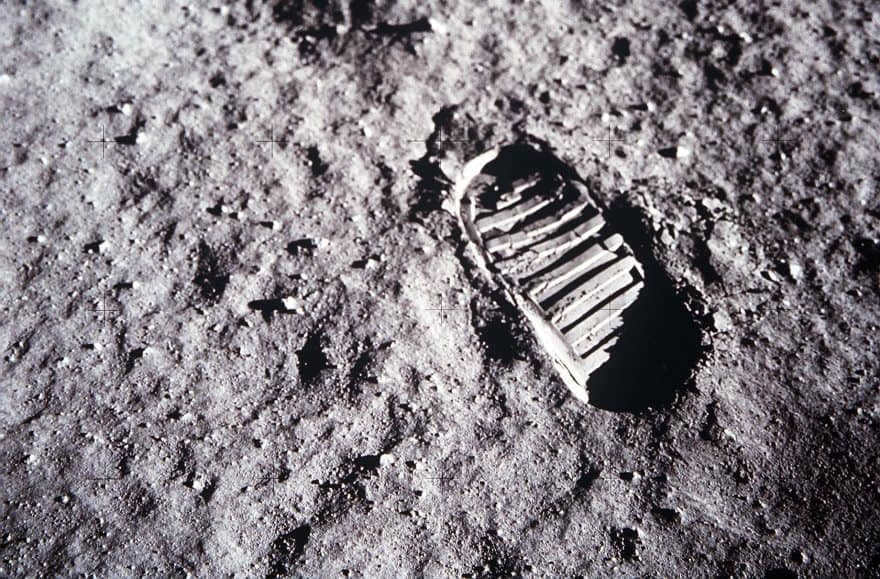
An imprint in the lunar soil left by a member of the Apollo 11 crew
The primary objective was to successfully land a human on the moon. The Soviet Union was in the process of developing a capsule for 2-3 individuals, while the Gemini program aimed to construct a vehicle capable of safely landing on the lunar surface. Ultimately, in 1969, Apollo 11 achieved the milestone of landing Neil Armstrong and Buzz Aldrin on the moon. Subsequently, in 1972, five more successful moon landings were carried out, all by American astronauts.
The subsequent challenge involved the construction of a space station and reusable spacecraft. The Soviets established the Salyut and Almaz stations, while NASA’s Skylab became the first multi-crewed station. The Soviet Union then introduced the Mir space station, which operated from 1989 to 1999. This was eventually replaced by the International Space Station in 2001.
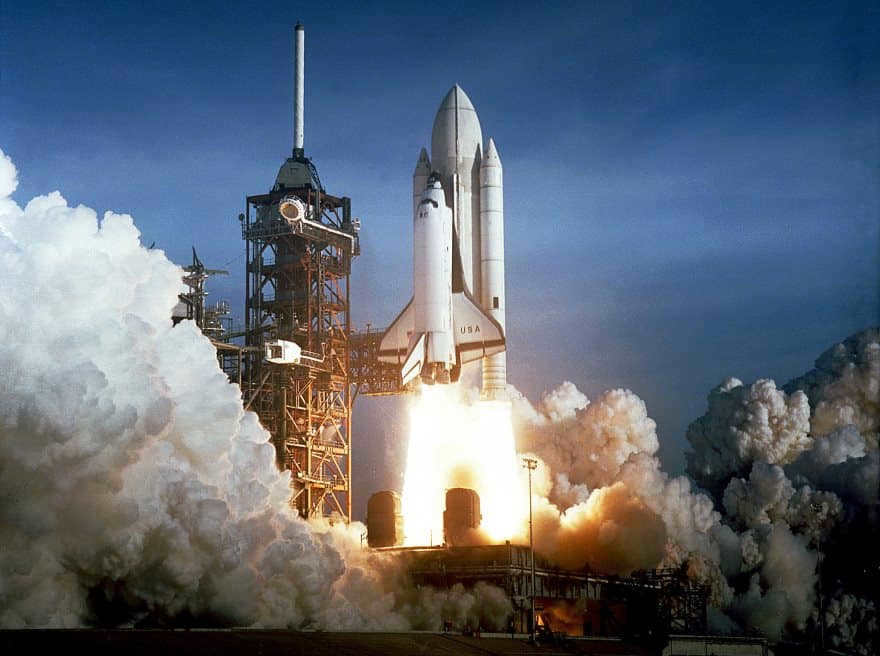
The Columbia spacecraft was launched in the year 1981.
Out of all the spacecrafts used, only Columbia was reusable and it successfully completed several orbital flybys. Before retiring in 2011, a total of 121 missions were accomplished by five shuttles. Unfortunately, two shuttles, Challenger in 1986 and Columbia in 2003, faced accidents and crashed.
In 2004, George W. Bush made an announcement about his intention to go back to the Moon and conquer the Red Planet. This idea was further supported by Barack Obama. Consequently, all the efforts are now focused on exploring Mars and making plans for establishing a human colony there.
All the efforts and sacrifices that have been made have contributed to a deeper comprehension of our solar system, both its history and its future. Currently, the model consists of 8 planets, 4 dwarf planets, and a vast array of TNOs. It’s important not to overlook the multitude of asteroids and planetesimals that are also present.
On this webpage, you can not only acquire valuable information regarding the solar system, such as its arrangement and size, but you can also access detailed descriptions and characteristics of each planet. This includes their names, photos, videos, diagrams, and their respective distances from the Sun. The composition and structure of the Solar System will no longer be shrouded in mystery. Utilize our 3D model to personally explore all of these celestial bodies.
The Development of the Solar System
Structure of the Solar System
Fascinating Facts about the Solar System

An extraterrestrial body that has previously entered our Solar System
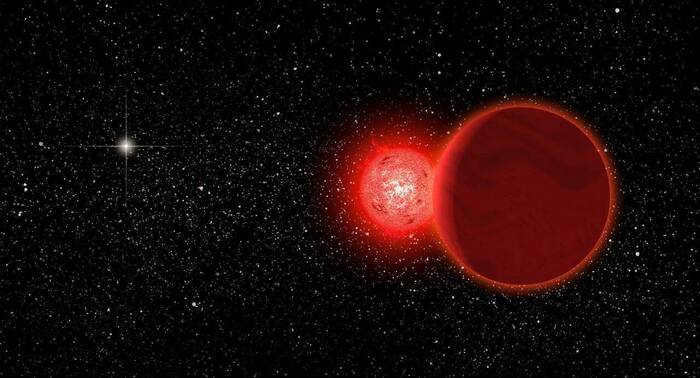
Scholz’s star is a diminutive red dwarf with a mass that is 8 times smaller than that of the Sun.
Its past is quite intriguing. At present, it is located 20 light years away. However, a mere 70,000 years ago, Scholz’s star came within a close proximity of the Sun, only 0.8 light-years away (or 52,000 astronomical units). This distance is significantly greater than what Gliese 710 will traverse. Scholz’s star grazed the outer rim of the Oort cloud, potentially causing disturbances in the comets’ orbits.
A refined depiction of the truth.
What is the identity of plutoids?
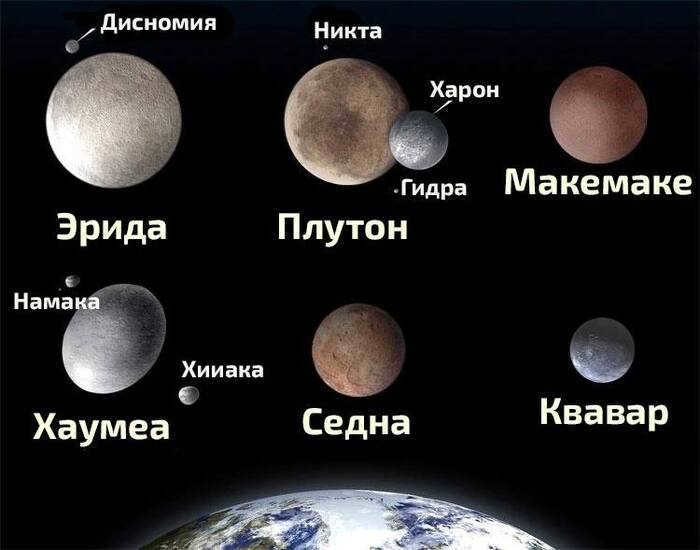
Following the reclassification of Pluto from a planet to a dwarf planet, the International Astronomical Union sought to alleviate the blow by creating a special designation for similar objects beyond Neptune’s orbit, known as plutoids.
Astrophotography of the Year: Capturing the Magnetic Field of the Sun
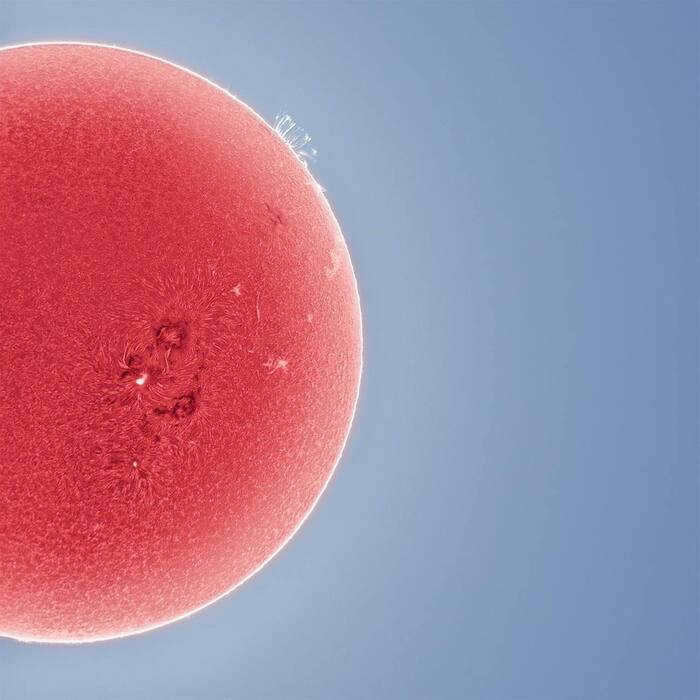
This photograph depicts the phenomenon of the magnetic field pulling in sections of the chromosphere following a significant solar flare (shown at the top). In this particular instance, the magnetic field lines can be observed traversing the surface of the sun.
The incredible void
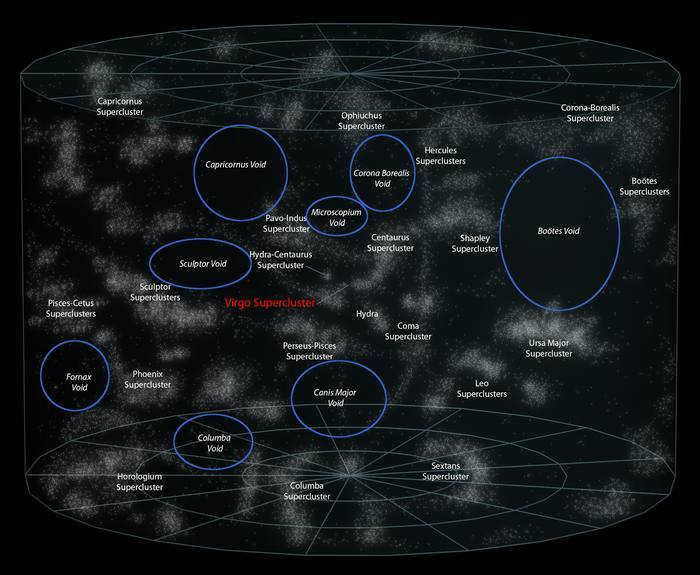
There are an immense number of galaxies spread throughout the Universe, but their distribution is highly uneven. Some regions are so densely packed that it is impossible to navigate through them, while others offer vast stretches of emptiness where one can traverse at the speed of light for thousands of years without encountering even a single star or substantial piece of matter. In these desolate regions, the matter density is approximately one atom per cubic meter. These sparsely populated areas are commonly referred to as howdahs.
Currently, the largest known howdah is the Volopassus Howdah, which is a circular expanse of space measuring approximately 330 million light-years in diameter. While it does contain about 60 galaxies, this number is negligible considering the immense size of the howdah.
American astronomer Gregory Aldering offers his insight on the matter:
“Had the Milky Way been positioned at the core of the Volopassus howdah, our knowledge of other galaxies would not have been garnered until the 1960s.”
Envision the experience of inhabiting a solitary planet situated in this vast emptiness, where the night sky is devoid of starlight and instead filled with boundless darkness?
Displayed is a cartographic representation of galactic voids within the observable universe, with the Volopassus Void on the right, known as the largest Botes Void.
AG Kiel, a brilliant blue variable star, is one of the most luminous in our galaxy
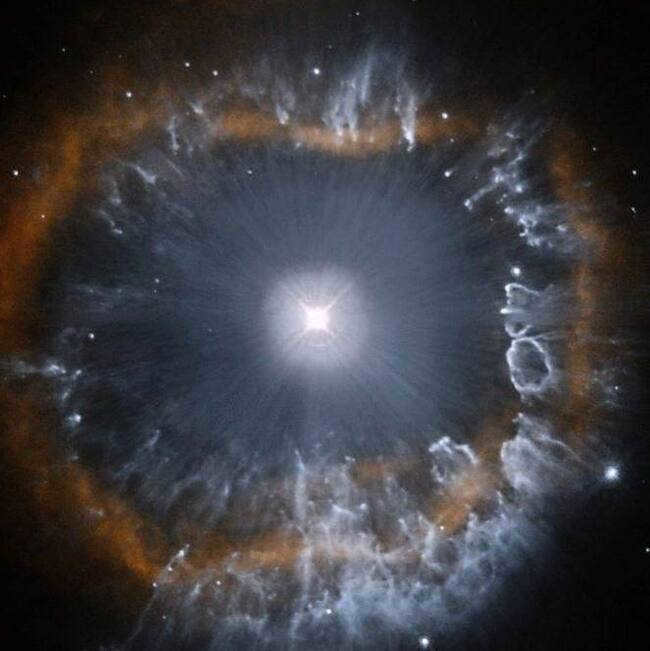
The radiation flux emitted by AG Kiel, a brilliant blue variable star, is equivalent to that produced by 1.5 million stars similar to our Sun.
This is the appearance of the Sun’s magnetic field.
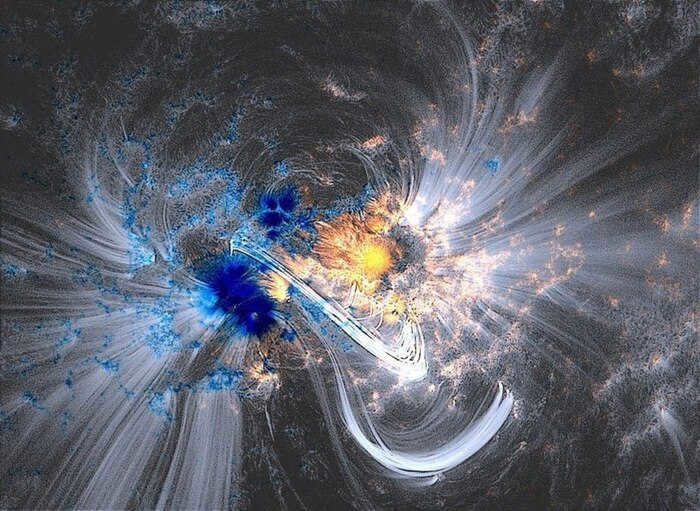
The magnetic field of the Sun in the Cosmos is not visible in photographs taken in the visible light spectrum. However, NASA’s Solar Dynamics Observatory has been specifically designed to overcome this limitation and capture images of the Sun’s magnetic field.
The constellation Orion is located in which galaxy?
However, despite our solar system’s average speed of 828,000 kilometers per hour, it still takes the Sun approximately 230 million years to complete one orbit around the Milky Way.
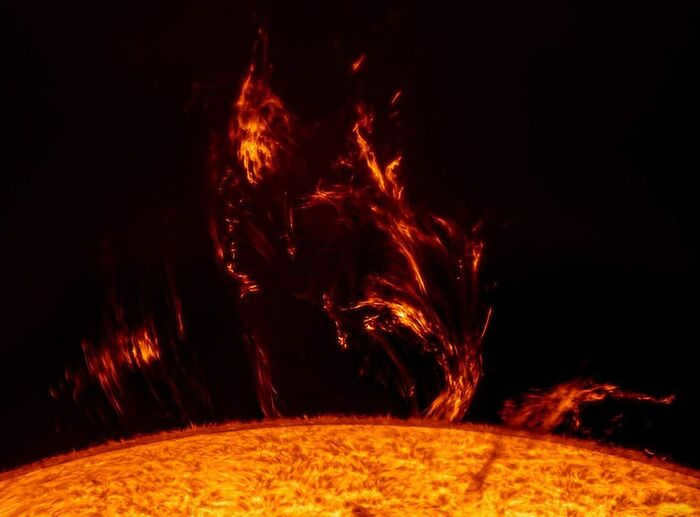
In May 2023, an enormous solar mass ejection was recorded.
The Hubble telescope has made an astonishing discovery: a black hole on the run, accompanied by a remarkable trail of stars
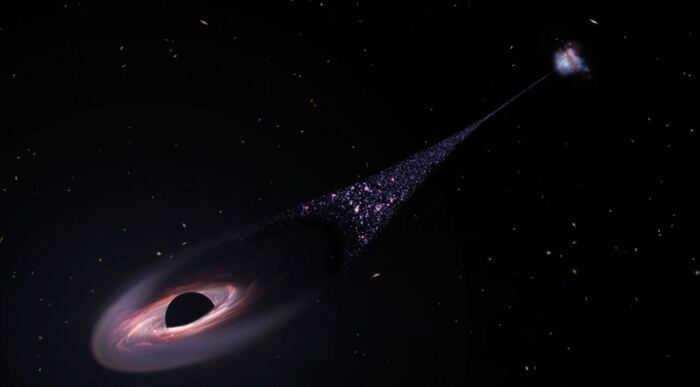
The Hubble telescope has observed a supermassive black hole that is on the move, leaving behind a remarkable trail of newly formed stars. This black hole, which is larger than 20 million suns, has created a trail of stars that stretches across a distance of 200,000 light-years. To put this into perspective, the trail is twice the size of our Milky Way galaxy. The black hole is moving through intergalactic space at an incredibly fast pace. In fact, if it were located within our solar system, it could travel from Earth to the Moon in just 14 minutes.
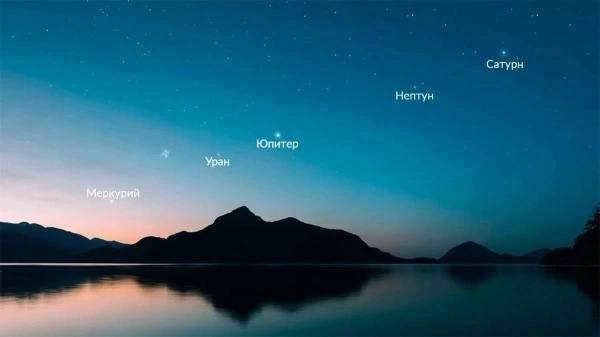
A Planetary Alignment can be observed on June 17
The Oort Cloud
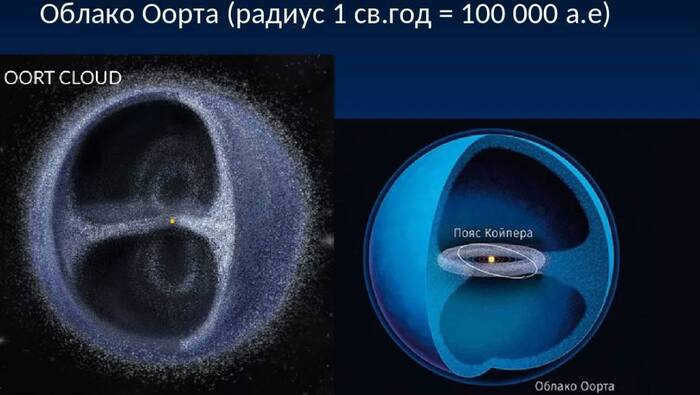
The solar system houses a region known as the Oort Cloud, which is a theoretical area responsible for producing long-period comets.
As of 2017, the existence of this cloud has yet to be substantiated.
Approximately 0.79 to 1.58 light-years separate the Sun from the outermost reaches of the cloud.
Red is the color of the orbit of the dwarf planet Sedna.
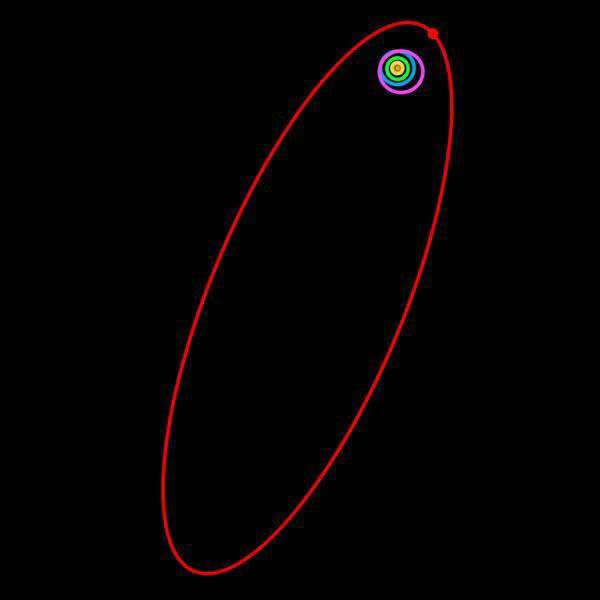
Sedna has a remarkably long year – it takes 10,000 Earth years for it to complete one orbit around the sun. 😨
Stardust in the Cosmos
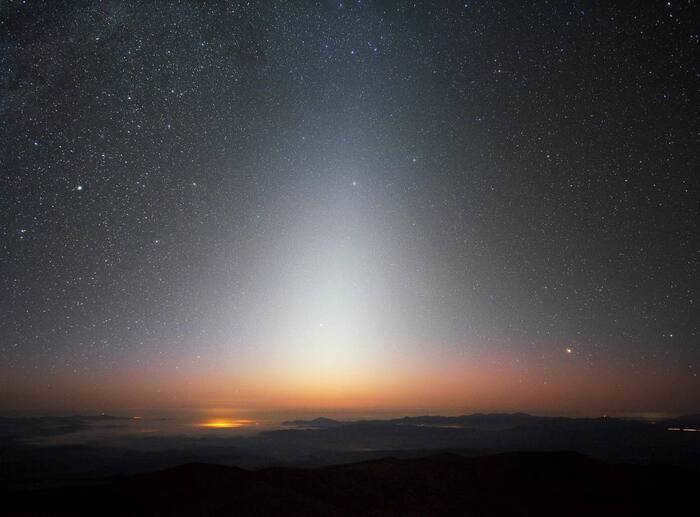
Cosmic dust consists of tiny remnants from comets, asteroids, and stars, with particle sizes ranging from a few molecules to 0.2 microns.
It’s fascinating to think that approximately 60 to 100 tons of space dust settle on Earth’s surface every day, totaling 25-40 thousand tons annually!
This dust serves as the fundamental material for the creation of stars and planets in the visible Universe. Within our solar system, it also contributes to the phenomenon known as zodiacal light, a faint glow visible shortly after sunset or just before sunrise.
In a groundbreaking achievement, the Stardust spacecraft successfully collected and delivered samples of interstellar dust to Earth in 2006.
The “James Webb” telescope has captured a picture of a young star in the making
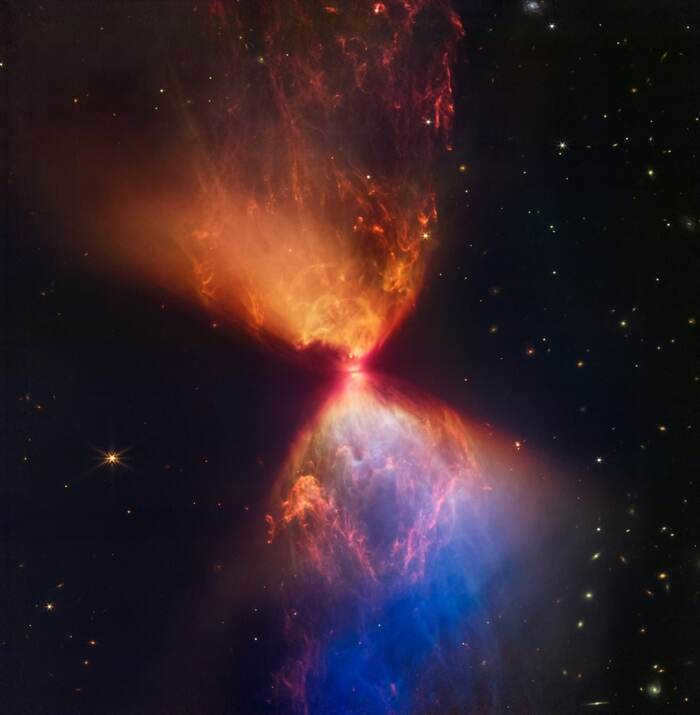
It is fascinating to see this incipient star and imagine the incredible journey it will go through as it evolves into a fully-formed celestial body. This image also serves as a reminder of the vastness and complexity of our universe, and the ongoing exploration and discovery that awaits us.
Hubble Space Telescope
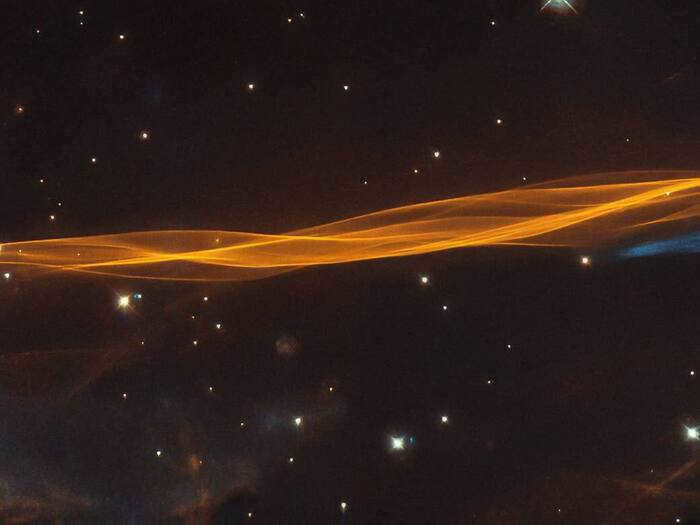
This image captured by the Hubble Space Telescope showcases a small portion of the Swan supernova explosion. This incredible event marked the “end” of a star that was 20 times larger than our very own Sun. It took place about 10,000 to 20,000 years ago.
It’s fascinating to think that the light emitted by this powerful supernova took approximately 2,400 years to travel across the vast expanse of space and finally reach our planet Earth!
When the term “solar system” is mentioned, our minds typically conjure images of the Sun and its orbiting planets. However, there is much more to our cosmic neighborhood than meets the eye.
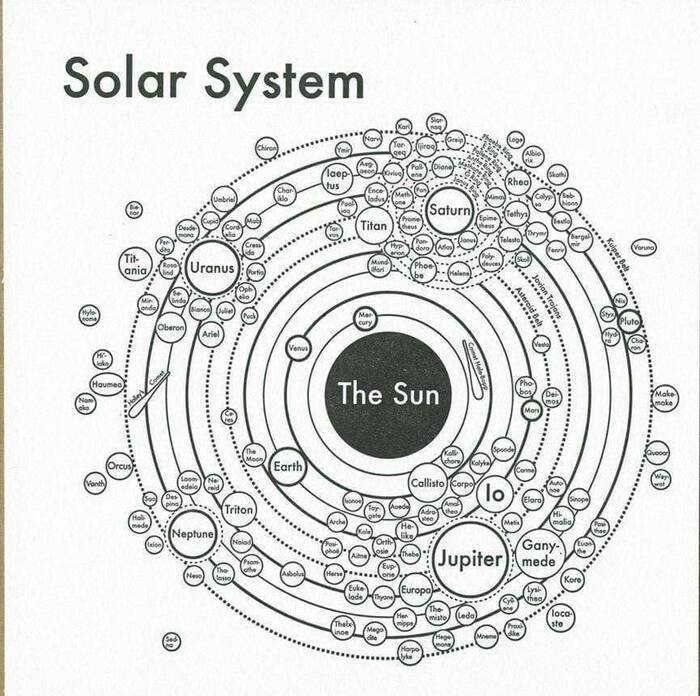
It’s easy to overlook the satellites when talking about the solar system. However, it’s important to note that there are a significant number of them. In fact, the planets in our solar system have a total of 200 satellites, with an average of 25 moons for each planet.
So why does the Earth only have one satellite?
The reason for this is that only celestial bodies with a large mass and strong gravitational pull can support multiple satellites. Mercury and Venus have no satellites, Mars has only two, but Jupiter has a whopping 79 moons, and Saturn has 82.
tg ➡️
What is the Gould Belt?
The Gould Belt is a cosmic structure in the Milky Way galaxy. It is a ring-like arrangement of young stars and other stellar objects that stretches across the sky. The belt is named after the American astronomer Benjamin Gould, who discovered its existence in the mid-1800s.
The Gould Belt is believed to be a result of the gravitational interactions between different stars and molecular clouds in the galaxy. These interactions cause the stars to move in a coherent manner, creating the ring-like structure.
The belt is relatively young, with most of its stars being less than 100 million years old. It is also quite large, spanning a distance of about 3,000 light-years across the sky. The center of the belt is located near the constellation Orion, making it a prominent feature in the night sky.
Scientists study the Gould Belt to better understand the processes of star formation and the evolution of galaxies. By observing the young stars and other objects in the belt, they can gain insights into the mechanisms that drive the birth and development of stars.
Overall, the Gould Belt is a fascinating cosmic structure that provides valuable insights into the workings of our galaxy. Its ring-like arrangement of young stars and other stellar objects offers a unique window into the processes of star formation and galactic evolution.
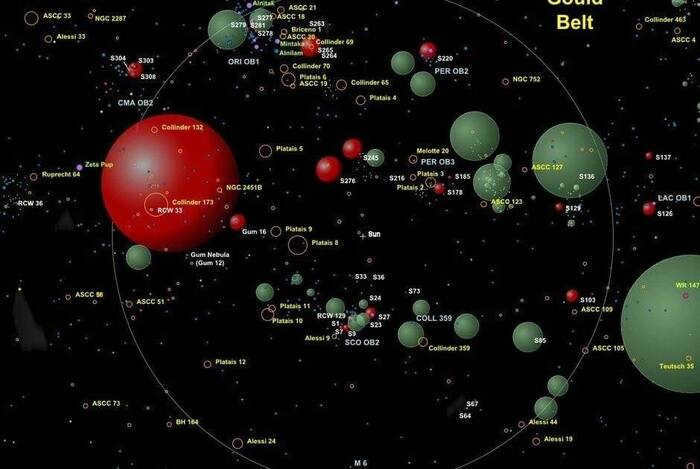
✨ Situated in the vicinity of the Sun within a radius of 1600 light-years lies the Gould Belt, a ring of youthful, luminous, massive stars and nebulae encircling the Solar System that can be observed in the Earth’s sky. It was initially described and examined by Benjamin Gould, an American astronomer, and John Herschel, an English astronomer and the son of William Herschel, who discovered the planet Uranus. The Gould Belt has an elliptical shape, with a major axis measuring 2,300 light-years and a minor axis measuring 1,500 light-years. The plane of the ring is inclined at an angle of 20 degrees to the plane of the Galaxy.
Further observations have led to the conclusion that the Gould Belt is the primary structure in the immediate vicinity of Orion’s arm. On a cosmic scale, it is relatively young, estimated to be between 30 and 50 million years old. The dynamic processes that led to its formation occurred after the extinction of the dinosaurs on Earth approximately 65 million years ago.
It may appear to be a simple question, but various surveys indicate that not everyone can readily provide the correct answer to the question, “How many stars are there in the Solar System?”. Furthermore, each year, an increasing number of individuals are confident that there is a vast number of stars within this very system. To comprehend where they are mistaken, it is essential to have a clear understanding of what this system entails as a whole.
Solar system
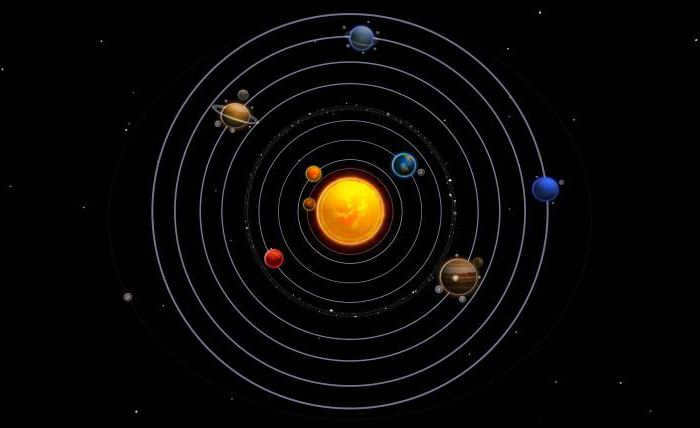
To gain a better understanding of the vastness of the solar system, it is necessary to provide a definition of this term. The solar system encompasses a specific region of space that consists of eight planets, over 60 known satellites, numerous comets, and an incalculable number of asteroids. All of these celestial bodies orbit around a central star, which possesses a mass that is a thousand times greater than the collective mass of all other objects within the system.
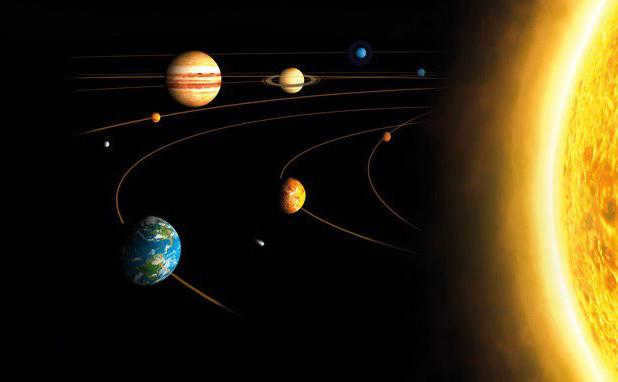
The Sun is the central star of the solar system, around which all celestial bodies revolve. These bodies do not produce light or emit their own heat; instead, they simply reflect the light of the Sun.
Stellar Object
In order to obtain a definitive response regarding the precise quantity of stellar objects within the solar system, it is imperative to comprehend the nature of a star. A star is an entity that traverses the vast expanse of outer space, radiating luminosity and possessing an immensely potent energy reservoir. This copious emission emanates chiefly from exceedingly vigorous and uninterrupted thermonuclear reactions. Furthermore, these processes are profoundly influenced by the force of gravitational compression, culminating in the generation of an astronomical magnitude of energy.
The Sun
It is impossible to determine the exact number of stars in our solar system without understanding the nature of the Sun. This celestial body is essential for sustaining life on our planet as it provides heat, light, and energy. According to the widely accepted classification system for celestial bodies, the Sun is considered a yellow dwarf. It is estimated to be around 5 billion years old and has a diameter of 1,392,000 km, which is 109 times larger than Earth. The Sun rotates at different speeds depending on its location, with a rotation period of 25.4 days near the equator and 34 days at the poles. The temperature at the core of the Sun is approximately 15 million degrees, while the upper layers reach temperatures of about 5,500 degrees. The Sun is primarily composed of hydrogen (75%), followed by helium and trace amounts of other elements (25%).
Planets
When considering the question “how many stars are in the solar system,” it is important to also explore the various planets that make up this intricate system.
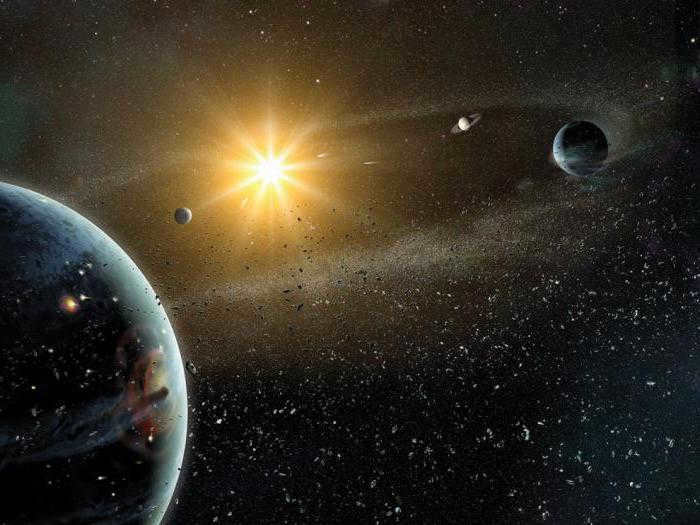
Approximately 5-6 billion years ago, the expansive galaxy contained vast clouds of gas and dust. Within one of these clouds, which had a disk-like shape, a gradual contraction occurred in the central region, leading to the formation of a future star. As gravity took hold, the gas and dust particles surrounding this developing celestial body began to coalesce into distinct entities, thereby initiating the process of planet formation.
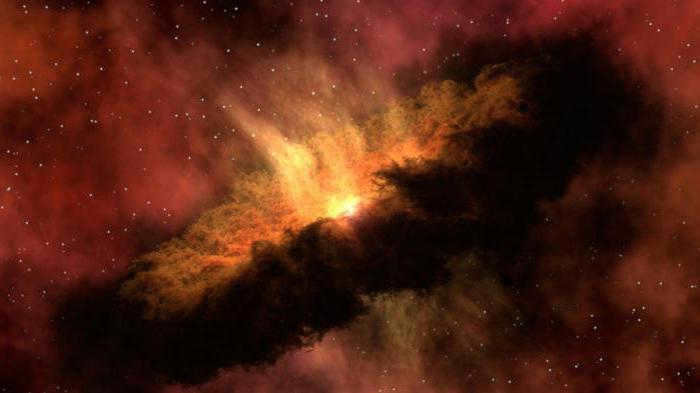
Generally, a celestial body qualifies as a planet if it fulfills the following criteria:
- it revolves around a star;
- it is devoid of any other sizable objects in its vicinity;
- it possesses a spherical (or approximately spherical) shape;
- it is not a star.
As of now, there are a total of 8 planets in our solar system, each arranged in a specific order. The first planet in this lineup is Mercury, which holds the title of being the closest planet to our sun. Following Mercury is Venus, known for its intense heat and fiery nature. Earth, our own home, comes next. It is a remarkable blue planet teeming with life. Mars and Jupiter come after, both impressive in their own right as giant planets. Saturn, the next in line, is famous for its stunning rings. Uranus, on the other hand, holds the title of being the coldest of all the giant planets. Finally, Neptune, an ice giant, brings up the rear.
Prior to 2006, we believed that there were 9 planets in our solar system. However, on August 24th of that year, one of them lost its status as a planet. This planet was none other than Pluto. It no longer met the criteria to be classified as a planet and instead became the first of a new class known as dwarf planets.
Satellites
Our system, in addition to everything mentioned, includes planets’ satellites. When it comes to the question of how many stars are in the solar system, there is only one clear answer. However, the exact number of satellites in the same outer space remains unknown. Currently, it is estimated to be more than 60. However, scientists believe that there may be even more than a dozen of these objects yet to be discovered. All the planets, except for Venus and Mercury, have their own satellites. Among them, Jupiter has the largest number. The smallest satellite belongs to the giant planet as well. It is called Leda and has a diameter of less than 10 kilometers.
It is now evident that the question of how many stars are in the solar system can have a definitive answer: “one”. However, there is a proposition that suggests a different response to this query. The reasoning behind this proposition lies in an event that occurred approximately 70,000 years ago at the outskirts of our system, where an entity known as “Stoltz’s star” traversed the border. Today, this entity exists as a red dwarf star within the constellation Unicorn. Due to the considerable distance between the Solar System’s boundaries and significant celestial bodies, this intruder did not disrupt the established order in any significant manner. It may have only affected the trajectory of certain comets, which are abundant in the Oort cloud. Thus, at one point in time, it could be argued that there were two stars within the solar system.
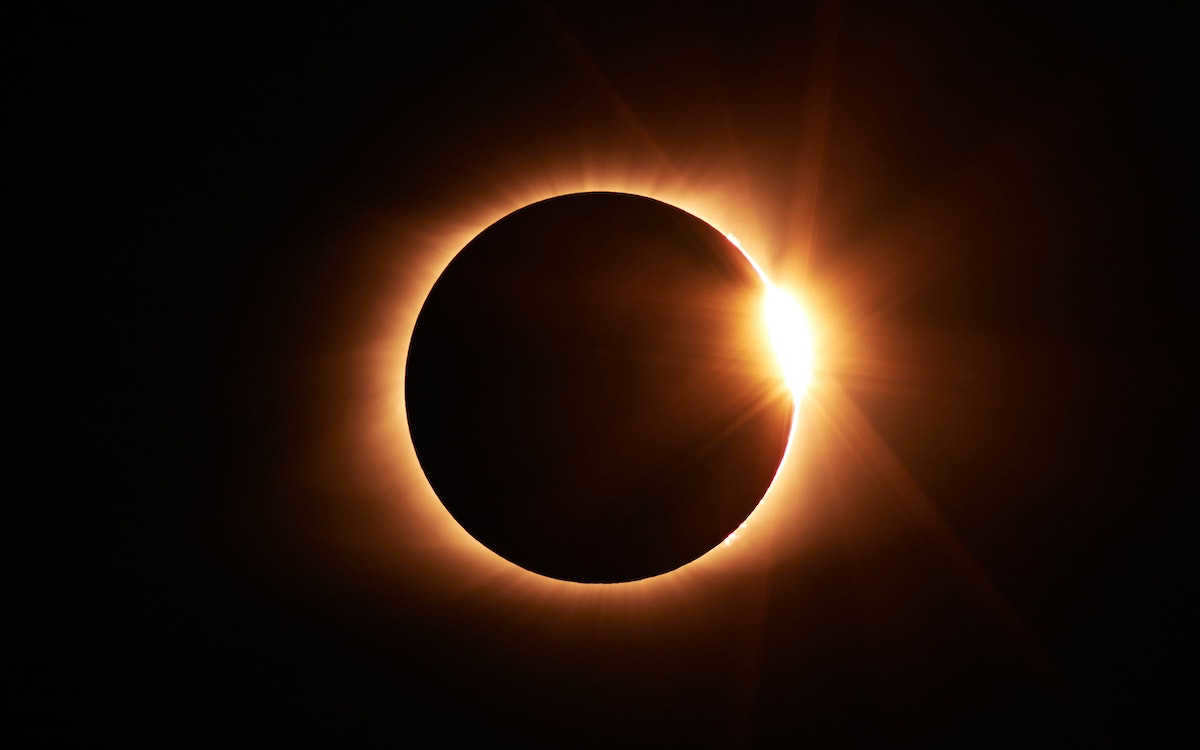
In the past, people used to think that the universe was limited to just the solar system. However, we now understand that the solar system is just a small part of our galaxy, and that the universe is much larger than we can comprehend. Despite this, the solar system remains our home in space – the only area that we can explore and study up close, thanks to satellites and not just through telescopes.
What is the solar system?
The solar system is a complex system consisting of various celestial bodies, including planets, their moons, comets, meteorites, and asteroids, all revolving around a central star known as the Sun. Situated within the vast expanse of the Milky Way galaxy, this system came into existence approximately 4.5 billion years ago. Within the solar system, there exists a diverse array of objects, each with its own unique characteristics and properties. To begin exploring this vast cosmic landscape, it is essential to first focus our attention on the eight prominent planets.
The planets in our solar system
Terrestrial planets
The closest planets to the Sun are known as the terrestrial planets: Mercury, Venus, Earth, and Mars. Although they share a similar composition, these planets possess distinct characteristics.
Mercury: The mysterious “half-stop” planet
Mercury is a small planet with no atmosphere, making it akin to the Moon. The side of Mercury facing the Sun experiences scorching temperatures, while the opposite side cools to extreme lows due to the absence of an atmosphere.
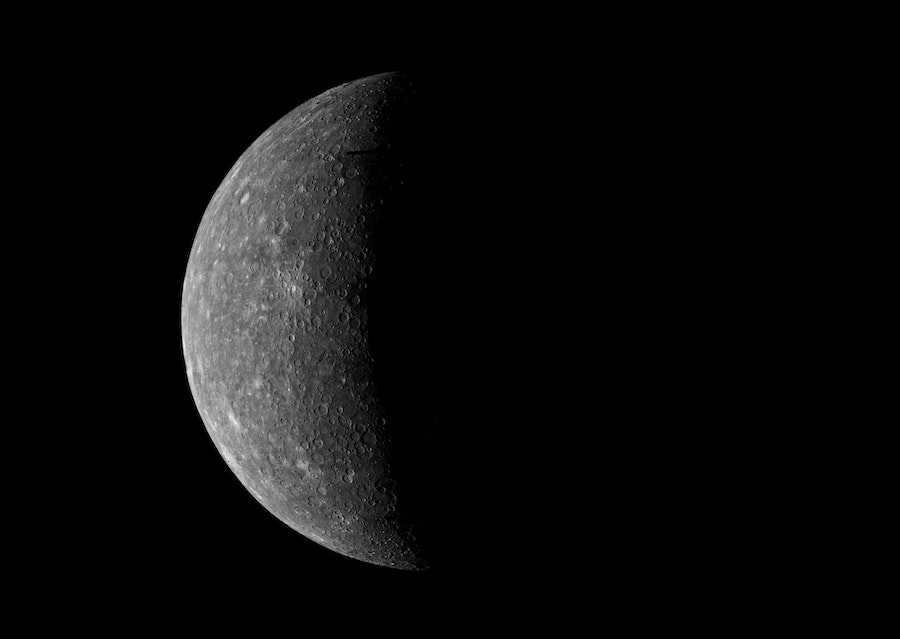
Despite its proximity to Earth, Mercury remains relatively unexplored due to the challenges involved in reaching it. With the Earth hurtling around the Sun at a speed of 30 kilometers per second, it’s like being on a high-speed train with Mercury as a small, inaccessible stop. Although it is visible and close, the train keeps moving, requiring special efforts to disembark. One would need a rocket pack to leave the train and reach this elusive station, utilizing powerful means of propulsion.
Venus is an optimistic planet
Following the Sun, Venus is the subsequent planet. It is widely acknowledged that Venus possesses an atmosphere. The initial discovery of Venus can be attributed to Mikhail Lomonosov, who observed a highly uncommon event – the transit of Venus across the Sun’s surface. Consequently, individuals have been able to indulge in speculation regarding the possibility of life on Venus for a significant period of time. However, Venus is characterized by excessively high temperatures, rendering it unsuitable for terrestrial life. Thus, it is highly improbable that Venus harbors any form of life.
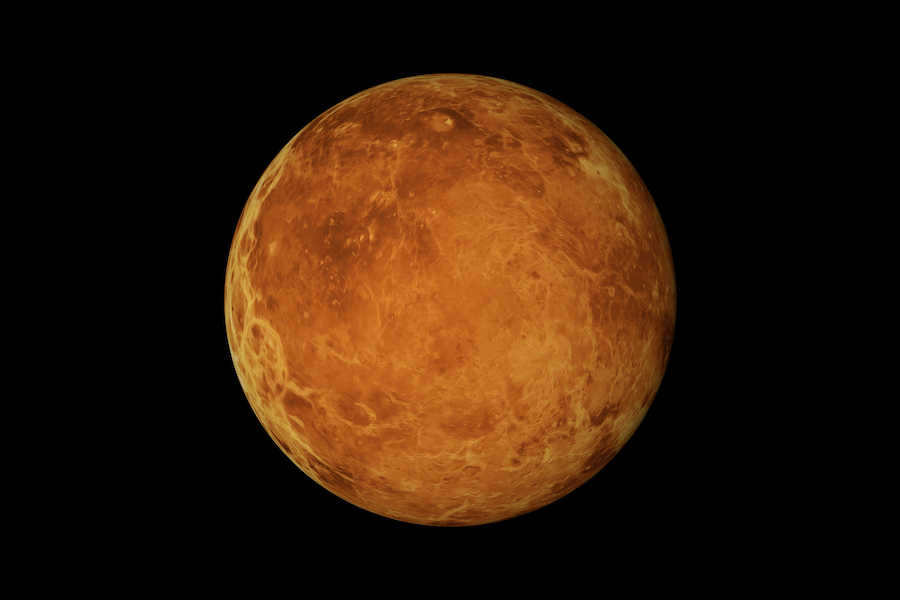
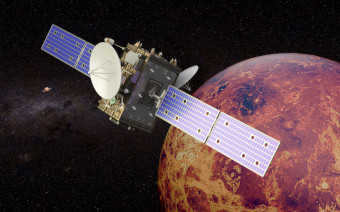
However, just over a year ago, a team of observers made a remarkable discovery – they found phosphine in the atmosphere of Venus. Phosphine is a molecule that contains phosphorus, which is known to be involved in biological processes. Only by directly measuring the levels of phosphine in Venus’ atmosphere can we determine the significance of this finding. This discovery is particularly intriguing because Venus, for a long time, has been disregarded as a potential candidate for supporting life in our solar system.
The Lost Atmosphere of Mars
In the past, Mars held the top position as a potential habitable celestial body within the solar system. It boasts a significantly smaller size compared to Earth, with a mass that is merely one-tenth of our own planet’s. While Mars does possess an atmosphere, it is exceptionally thin. This thinness poses a significant challenge when attempting to land vehicles on the Martian surface.
Despite the current negative findings regarding the habitability of Mars, there is still an intriguing possibility to consider: Mars may have been capable of supporting life in the past. There is compelling evidence to suggest that the Martian climate was vastly different billions of years ago. While this period may have been relatively short, it still spanned hundreds of millions of years, providing ample opportunity for life to emerge. However, Mars subsequently experienced a significant loss of its atmosphere, resulting in a dramatic shift in climate. The lack of a robust magnetic field to shield the planet from the solar wind allowed the gradual erosion of its atmosphere by the particle stream emitted by the sun.
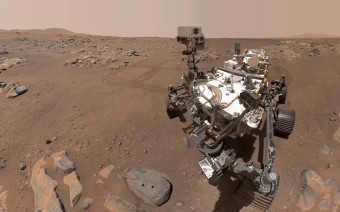
However, in the event that life managed to arise and potentially adapted to extreme depths, it could plausibly have endured to the present day. Regrettably, our current capabilities to drill deeply into the surface of Mars remain limited. The process is both technologically challenging and prohibitively expensive. Alternatively, we could shift our attention to more manageable objectives, such as the exploration of subterranean lakes within Martian caves. To accomplish this, the development of a new generation of Mars rovers equipped to penetrate these cavernous depths, conduct investigations, and safely return to the surface is necessary.
Large gas planets
Aside from the terrestrial planets, there are immense gas planets present in our solar system – Jupiter and Saturn.
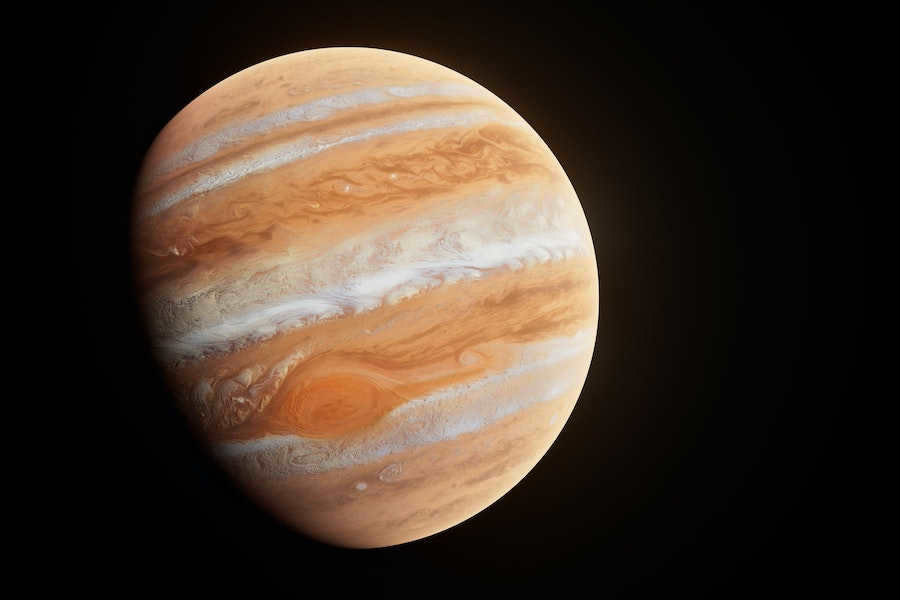
Jupiter, a solitary non-star
Some people claim that Jupiter is an unstar of sorts. However, Jupiter is far from being a star – it would need to gain about 80 times more mass. Nevertheless, its composition of hydrogen and helium makes it somewhat similar to a star. Jupiter’s mass surpasses that of all other planets, asteroids, dust, debris, and comets in the solar system combined. Therefore, if we were extraterrestrial astronomers observing our solar system from a distance, we would only perceive a vacant Jupiter for quite some time.
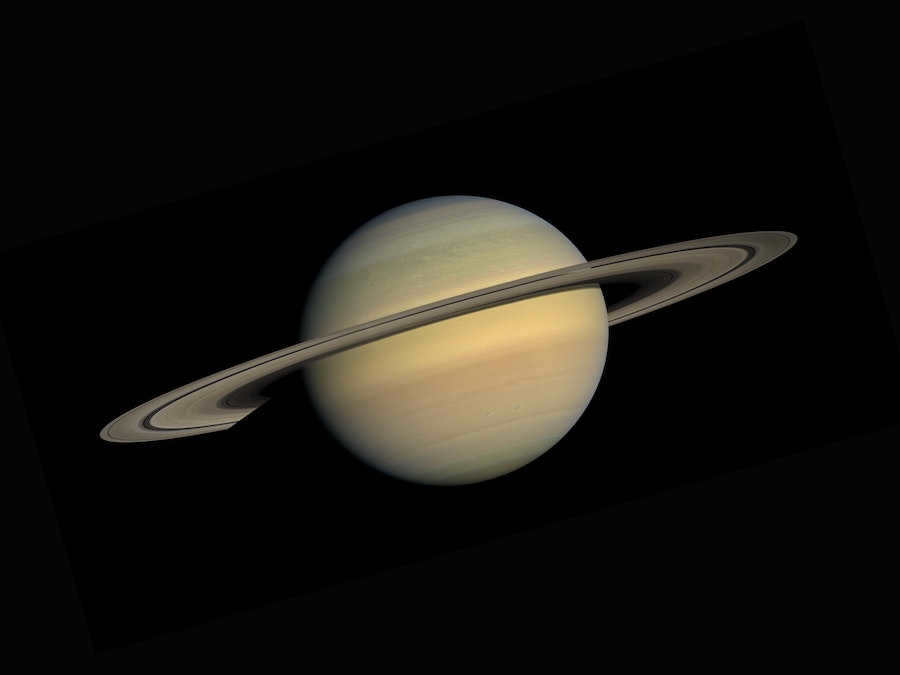
Saturn, a gas giant, possesses rings
Unlike Jupiter, Saturn is characterized by its extraordinary rings. Interestingly, Galileo Galilei attempted to observe them but was unsuccessful. In his initial observations through early telescopes, he perceived Saturn as resembling a Cheburashka: a circular shape with peculiar protrusions. This spectacle left Galileo in such awe that, being a cautious and conservative individual, he refrained from publicly announcing his discovery and instead encoded a message. When Galileo acquired more advanced telescopes, he revisited Saturn and found nothing. However, this was not due to any defect but rather because the rings had shifted their orientation. Unfortunately, Galileo failed to decipher his earlier message, and it was only several decades later that Huygens finally uncovered the existence of the rings.
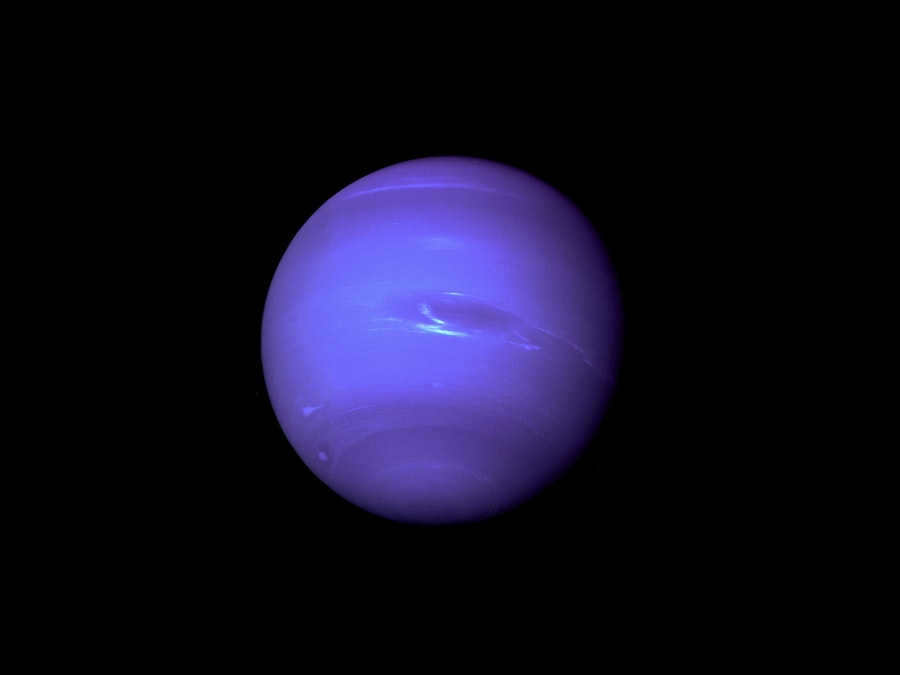
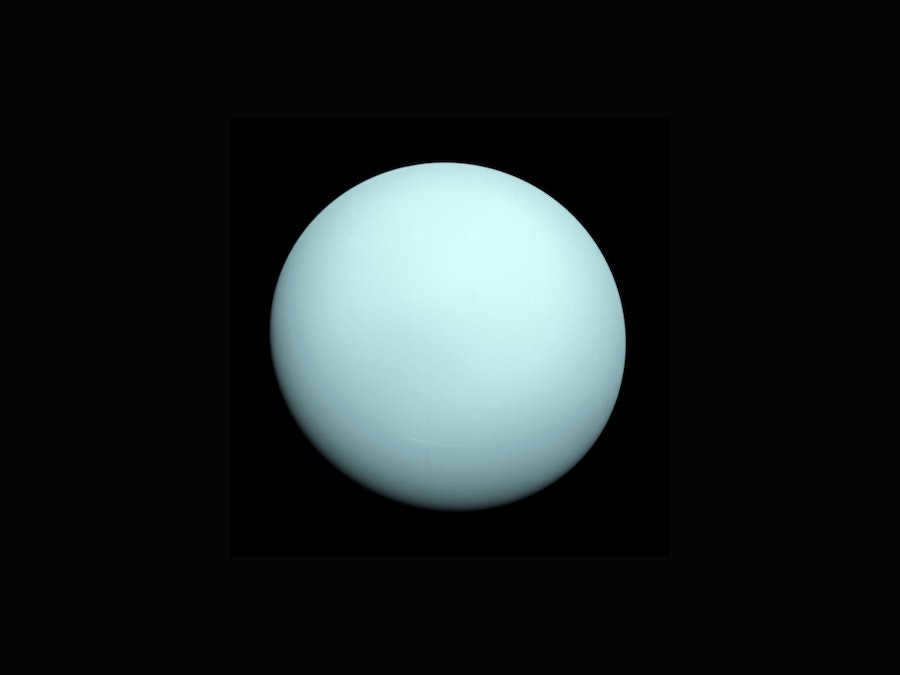
Giant ice planets
Neptune and Uranus, the two most remote planets, are known as ice giants due to their composition, which consists primarily of substances that can freeze. These substances include water, methane, ammonia, and carbon dioxide. In the field of planetary physics, they are classified as ice giants because they can solidify at low temperatures. The exploration of Uranus and Neptune has been limited due to their great distance from Earth. No spacecraft has been specifically designed to explore these planets. This lack of knowledge about the ice giants makes them particularly intriguing, especially in terms of understanding the history of our solar system.
For instance, in numerous contemporary models, there was an exchange of positions between Uranus and Neptune. And there exists at least one very compelling argument. Jupiter has a greater mass than Saturn, Saturn has a greater mass than Uranus, but Uranus is lighter than Neptune – this suggests that the planets are “out of sync”. It is hypothesized that they followed a general trend of decreasing mass. However, during the early stages of evolution, Neptune and Uranus switched places. In general, there are still many unknowns in the formation of the solar system. Interestingly, the most probable approach to make sense of this is to study not the planets, not the Sun, not the satellites, but the asteroids.
Astronomical objects known as asteroids play a crucial role in preserving the history of our solar system
These celestial bodies are relatively small, with the largest ones having a diameter of several hundred kilometers. The asteroid belt, often referred to as the “main belt,” is situated between the planets Mars and Jupiter. Some individuals mistakenly believe that this belt is the remnants of a long-lost planet, but this is not accurate. In reality, the combined mass of all asteroids is significantly smaller than that of the Moon, and even if they were all consolidated, they would not form a sizable planet. Instead, asteroids are essentially remnants of construction materials that were left behind and are now subject to the gravitational pull of Jupiter.
Asteroids seem to hold a record of the solar system’s formation. Due to their relatively low mass, asteroids could have been greatly affected by the gravitational pull of larger planets as they traversed the solar system. Despite this influence, the asteroids managed to retain their orbits, effectively capturing the early evolution of our system.

Discovery of a Potential Ninth Planet
Recent research indicates the possibility of an additional planet within our solar system. Analysis of the orbits of transneptunian small bodies has revealed a distinct alignment that cannot be attributed to chance. Several theories have been proposed, including the existence of a massive celestial body with a mass several times that of Earth. This hypothetical planet would be located much farther from the Sun compared to other known planets, potentially ten times the distance of Neptune.
Studying distant planets is a challenging task from a technical standpoint due to the unavailability of solar energy as a viable power source for the equipment. Solar panels become ineffective beyond Jupiter’s orbit, making it necessary to rely on nuclear power sources for missions exploring planets like Saturn, as demonstrated by the launch of the Cassini satellite. The Cassini satellite, for instance, was equipped with a nuclear power source, and there were extensive discussions about the potential radiation situation in the event of a rocket crash near Earth’s surface.
The final major object in the solar system is expected to be the ninth planet. While there have been occasional discoveries of bodies that were initially classified as planets, this trend is likely to end. The initial instance of this phenomenon happened with the discovery of an asteroid named Ceres, which was designated as a planet between Mars and Jupiter. However, subsequent findings of additional asteroids led to Ceres being “stripped” of its planetary status.
After the discovery of Pluto, an object located beyond Neptune’s orbit, it was designated as a planet. Many of us were raised with the understanding that there are nine planets in our solar system. However, in the 1990s, the discovery of non-Neptunian objects revealed that Pluto, along with Ceres, was not alone. Numerous bodies were found orbiting the Sun in similar orbits to Pluto. As a result of extensive discussions, Pluto was “reclassified” and no longer considered a planet. Instead, it was given the status of a dwarf planet.
The vast expanse of the Europa ocean as a “primary broth”
In the event that Mars no longer presents itself as a bustling world teeming with life, are there any locales within the solar system where life thrives? The most promising contenders for habitable entities are the moons orbiting the colossal planets. Among these are multiple bodies that boast an expanse of regular water, concealed beneath a substantial layer of ice. This icy shield serves as a protective barrier, preventing the ocean from evaporating. Scientists harbor compelling suspicions that if one were to take a large vessel filled with water and allow it to rest for several billion years, the likelihood of encountering life within it is rather high.

There are three celestial bodies of this kind in our solar system. However, the most promising contender is Europa, one of Jupiter’s moons. What makes Europa particularly fascinating is the occasional eruptions from its ocean, which means that we may not even need to drill through its icy crust. To accomplish this, we would need to pinpoint the location of these recent eruptions using data from Earth observations and land a spacecraft equipped with a biochemical laboratory on Europa’s surface. Nevertheless, this endeavor poses significant technical challenges and is likely to be realized only in the next phase of solar system exploration, which is expected to take place towards the end of the 2030s.