Stargazing
Differentiating between refractor and reflector telescopes
Learn the key differences between refractor and reflector telescopes to choose the right optical design for planetary viewing or deep-sky observation.
Telescopes, Stellarium and practical guides for observing the sky.
Learn the key differences between refractor and reflector telescopes to choose the right optical design for planetary viewing or deep-sky observation.
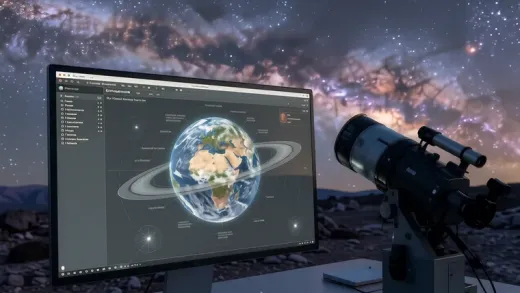
Learn how to use Stellarium to simulate the night sky, configure geographical coordinates, and optimize visual settings for celestial observation.
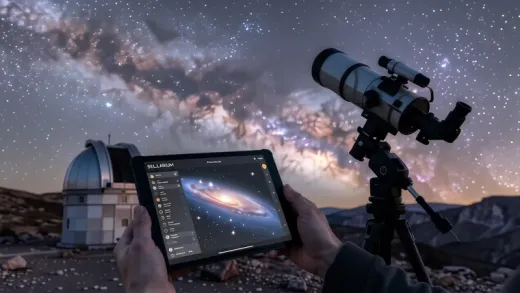
Learn how to master Stellarium software to simulate the night sky, manipulate time, and explore billions of stars from any location on Earth.
Learn how to determine the zenith angle using altitude, solar declination, and latitude through various mathematical methods and coordinate systems.
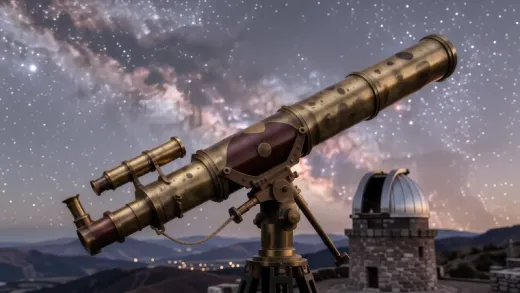
Explore the complex history of telescope invention, from Hans Lippershey's 1608 patent attempt to Galileo's revolutionary astronomical discoveries.
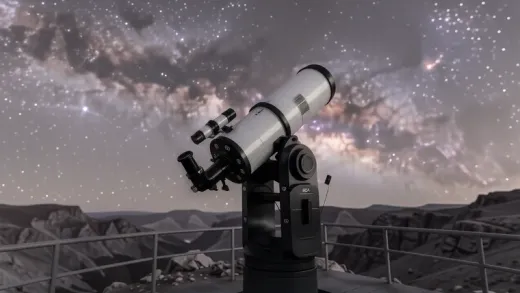
Learn how an apochromatic refractor uses ED glass and multiple lens elements to eliminate chromatic aberration for high-resolution astrophotography.
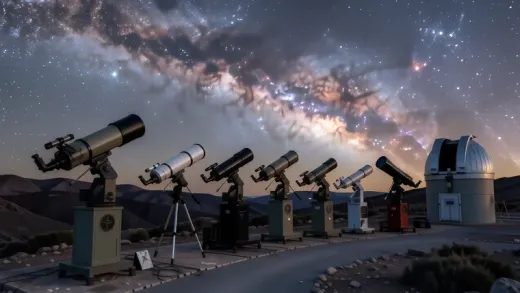
Learn how to select the right telescope by comparing refractors and reflectors, understanding aperture, and matching equipment to your observation goals.
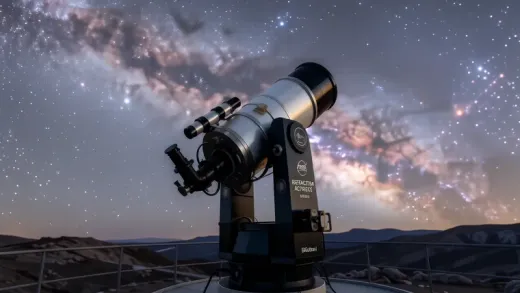
Learn how a refractor telescope uses lenses to gather light, its advantages in contrast and maintenance, and how APO designs correct chromatic aberration.
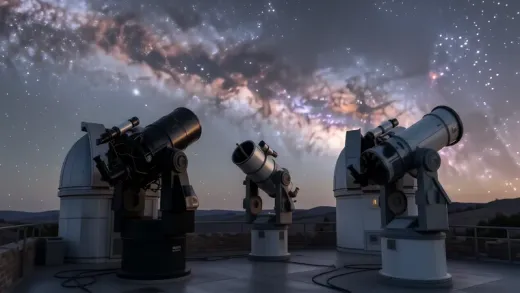
Discover which telescope is the best to purchase based on aperture, mount stability, and optical design for planets or deep-sky observation.
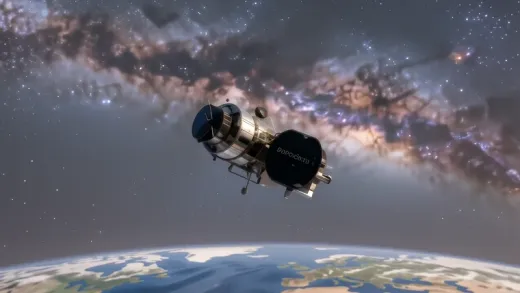
Explore the wavelength capabilities and observational limits of the Hubble Space Telescope compared to modern infrared observatories like JWST.
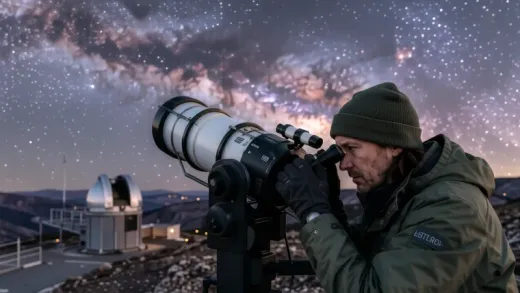
Learn how to choose between refractors, reflectors, and catadioptrics by evaluating aperture, focal length, and mount stability for your goals.